Close-up of a young child's face with traditional face paint. The child's features include dark eyes, a small nose, and lips. The face paint consists of green dots on the cheeks, a vertical brown line on the nose, and brown markings on the chin. Strands of hair are partially covering the face.

Supporting children through meaningful interaction

Decorative black background with a beige-colored wavy line.

VERVE helps families and professionals understand child development through moment-by-moment connection. We believe every interaction matters, whatever age you are.

ABOUT US

What is VERVE?

VERVE is a neurodevelopmental way of understanding children’s development through the interactions they share with the people closest to them. It’s based on the knowledge that, from the very beginning, children draw most from their parents and loved ones — moment by moment, through play, communication, and feedback.

At its heart, VERVE values the natural skills of parents and carers, placing them at the centre of their child’s growth. By noticing, waiting and responding with curiosity, respecting each child’s diverse, individual and unique nature, families become assured in how their everyday exchanges build regulation, learning, communication, language, speech and confidence.

Born from decades of work with children and families, and supported by emerging neuroscience, VERVE helps us observe what’s really happening in interaction — so we can celebrate what works and strengthen the connections that help every child thrive.

VERVE offers a way to understand and respond to children through connection.

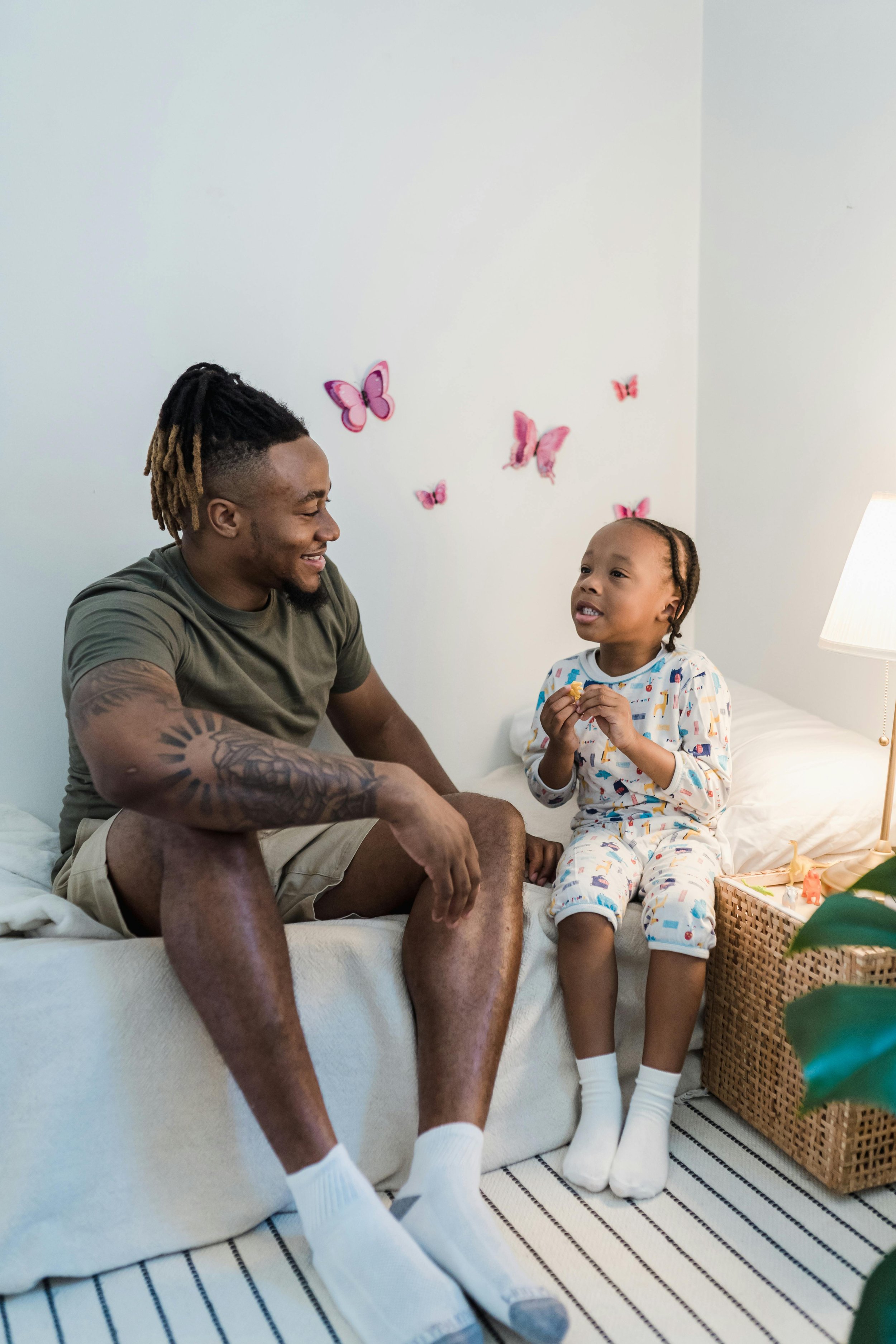
  • A man and a young girl sitting on a bed, smiling and talking. The girl is holding a snack, wearing pajamas with colorful patterns, and the man is wearing a green t-shirt and beige shorts. Pink butterfly decorations are on the wall behind them.

    For Families

    Find specific ideas to support your child’s developing communication, confidence, and self-regulation. The small, everyday moments of connection are what makes the difference.

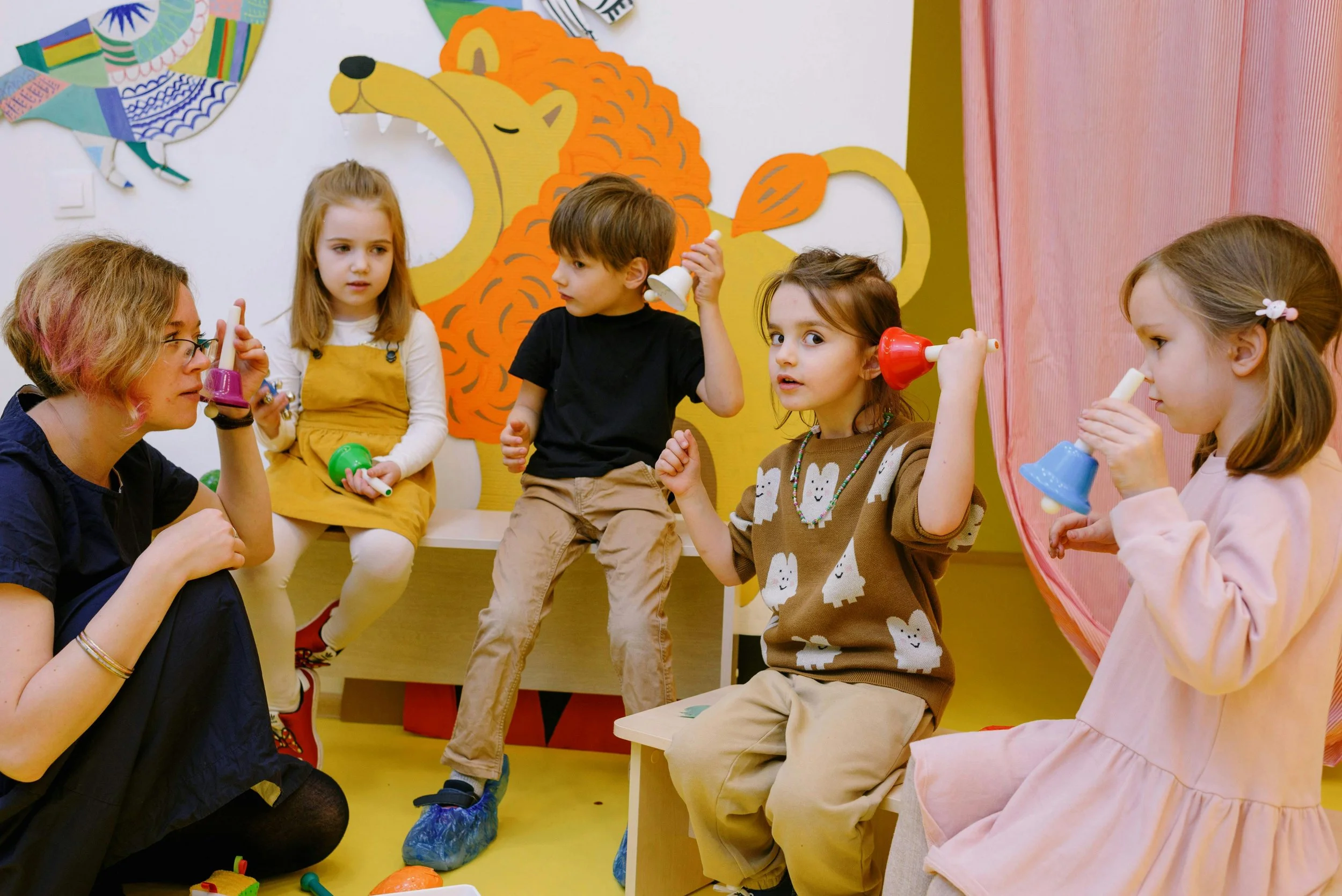
  • Five children and an adult playing with handbells in a colorful room with lion art on the wall.

    For Professionals

    Learn how to VERVE through training and supervision. Develop skills to self-reflect, observe, analyse, and strengthen each child’s developing regulation, learning, communication and well being, one to one and in the classroom.

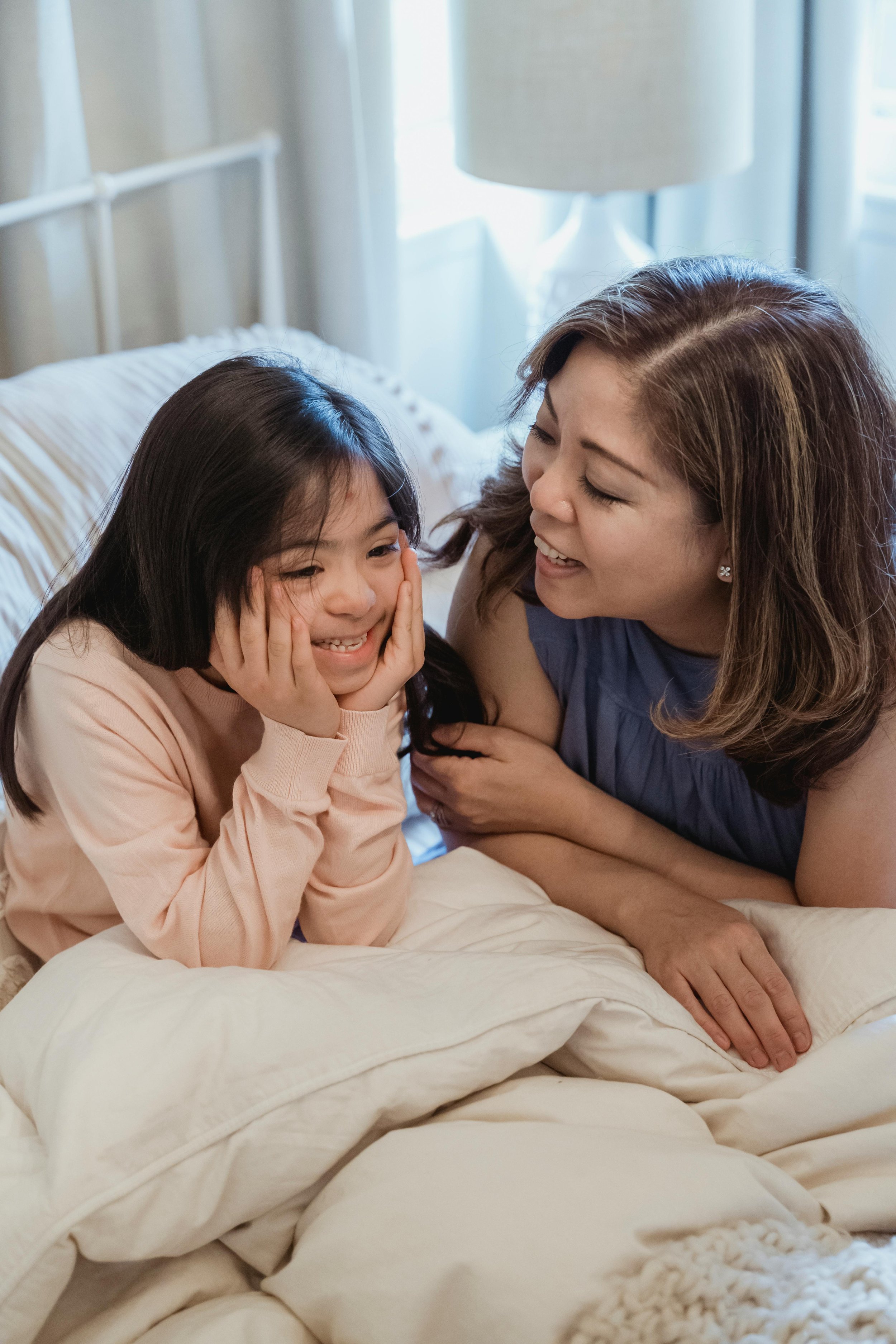
  • A woman and a young girl are lying on a bed together, smiling and playing. The woman is looking at the girl with a joyful expression while the girl is resting her chin on her hands with a happy face, in a cozy bedroom with natural light.

    Services

    Access in-person or online sessions shaped around your child and family’s needs, using observation and video-reflection.
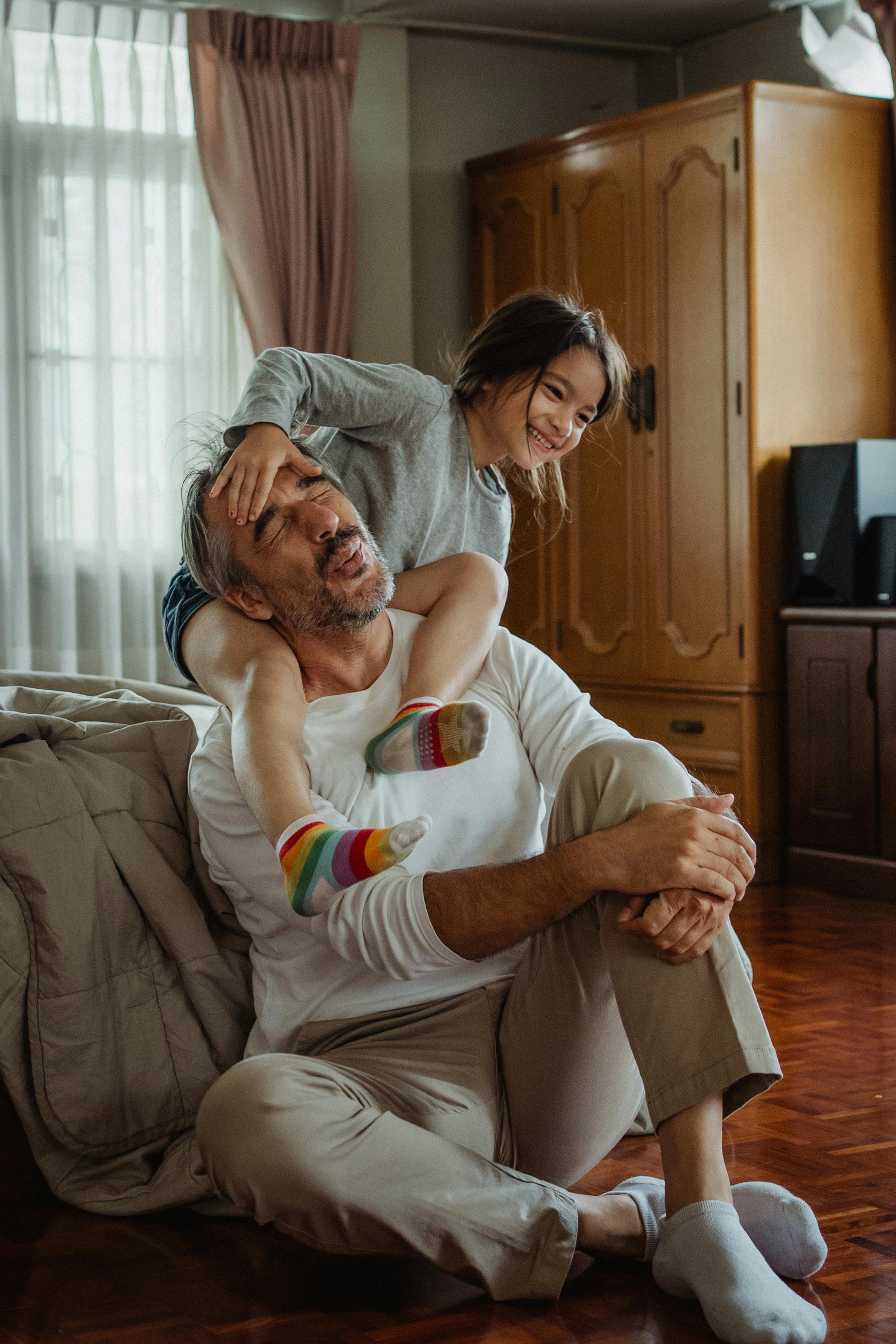
A young girl and an older man, likely her grandfather, playing on the floor of a living room. The girl is sitting on the man's shoulders, holding his head, and both are smiling and laughing. The room has a large window with curtains, a wooden cabinet, and a television.
THERAPIST DIRECTORY

Find your support network

Connect with trusted VERVE trained professionals to support communication, play, language, speech and meaningful interaction.


Every therapist listed has completed specialist VERVE training and brings a reflective, compassionate approach — helping families and children thrive through connection and understanding.

testimonials
  • What parents are saying...

    “I couldn’t believe how by just playing and following my child’s lead in play for five minutes a day led to him being able to sit and concentrate and finally listen.”

  • What parents are saying...

    “It is so good to be able to see all the things that are working in what I do to help my child to talk. Keena was able to understand my perspective and then provide theory and information which helped me to understand exactly where my child is in his development of talking and the next stage that is expected.”

  • What parents are saying...

    “It helped me to see exactly who I am when playing with my child and the little things I do that really help. The whole experience was very interesting and a great learning experience.”

  • What parents are saying...

    “Watching myself on video was nerve wracking at first, but once I could see what my child was able to do and how he was trying to communicate, it all made so much sense”.

  • What parents are saying...

    “It felt good to be able to really talk about my child whilst jointly watching them on T.V. I felt that the work we were doing was completely focused on us, not on general ideas. Being listened to and understood was so cathartic”.

  • What parents are saying...

    “It was so nice to be able to just play and not think about talking. It’s intriguing how talking develops so quickly if as an adult you respond at just the right time”.

  • What parents are saying...

    “I couldn’t believe how simple the ‘strategies’ were. I was already doing them and didn’t know it”.

  • What parents are saying...

    “The sessions my son had with Keena were excellent! He really enjoyed them and I learned a lot of useful tips on how best to help him at home. I'm delighted to say that he no longer requires speech therapy and I think that is largely thanks to Keena.”

  • What parents are saying...

    “Keena had a very good rapport with our son and he really enjoyed working with her. He made excellent progress under her guidance and is now very articulate for a child of his age and has done well at school”.

  • What parents are saying...

    “We learnt early on that our son had disordered language development and would need support in school on an ongoing basis, but it really helped seeing that we as parents had the skills to support his development, particularly since Keena was able to use the video to explain what his skills were, how he was developing and what I was doing to help”.

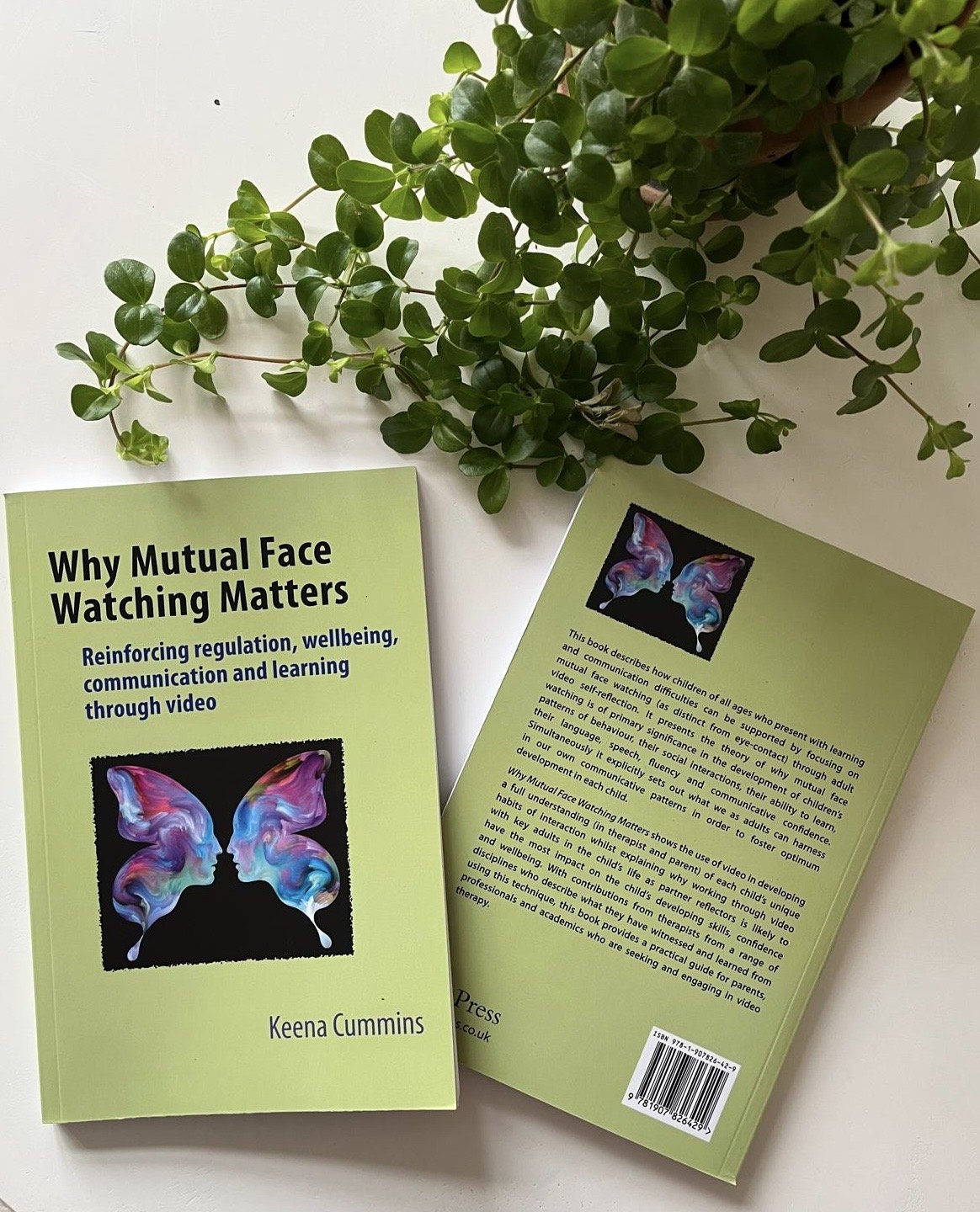
A green book titled "Why Mutual Face Watching Matters" by Keena Cummins positioned on a white surface next to a leafy green plant, with the back cover of the book visible.
READ THE BOOK

Why Mutual Face
Watching Matters

Written by Keena Cummins, this book reveals how mutual face watching helps children develop the regulation skills that underpin the growth of their learning, communication, language, speech and confidence,


A practical guide for parents and professionals working to build connection through observation and reflection.

resources

Explore VERVE Resources

Find articles, guides, and videos that bring VERVEing to life — supporting communication, play, and reflective practice for both parents and professionals.
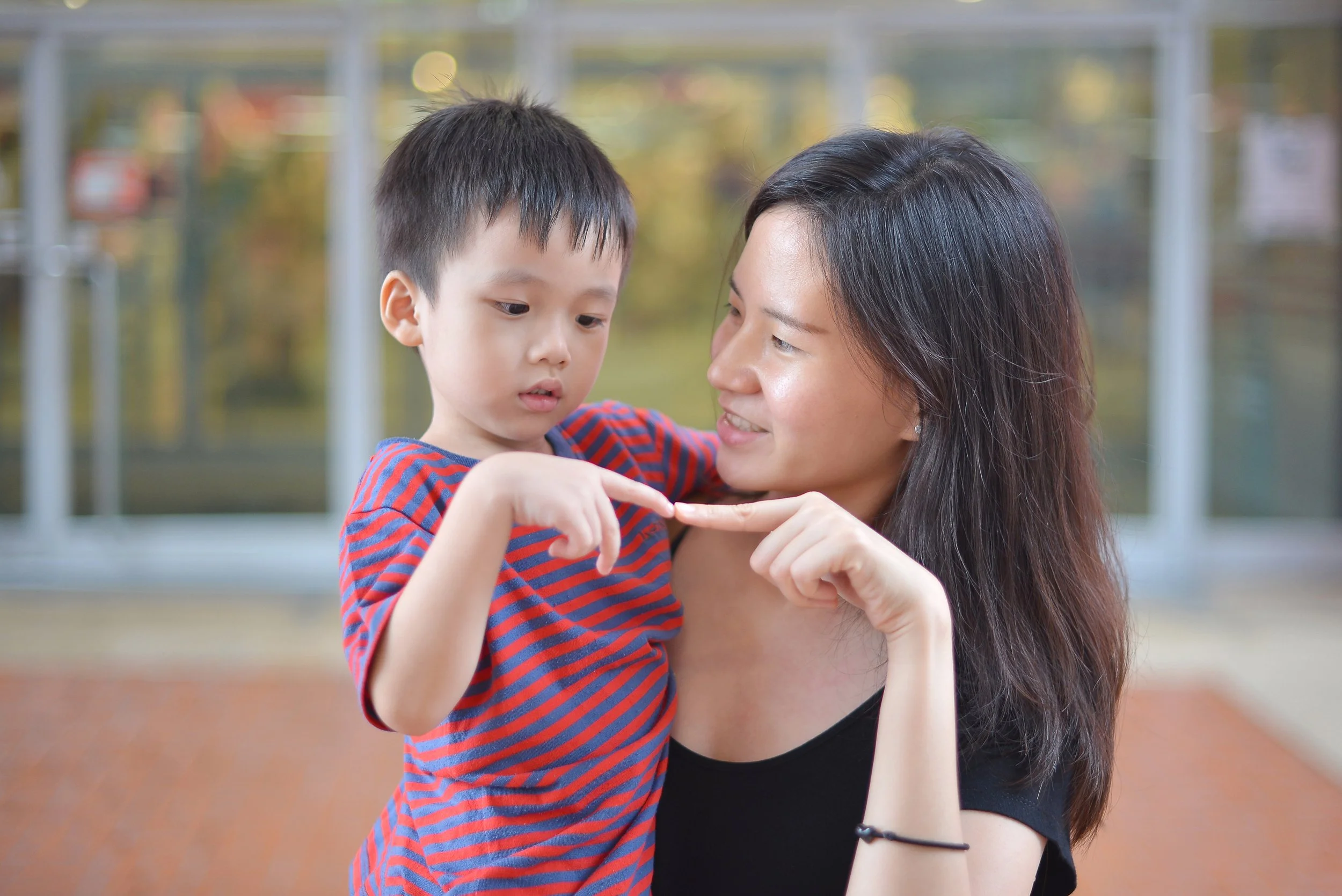

Ready to transform child interactions?

Start your journey with VERVE today.