
FOR FAMILIESSupporting children through meaningful interaction

VERVE supports families in understanding and strengthening the everyday interactions that shape a child’s development. Whether you’re looking for guidance, reassurance, or therapy support, this is a place to start.
SUPPORTING GROWTHWho VERVE Supports
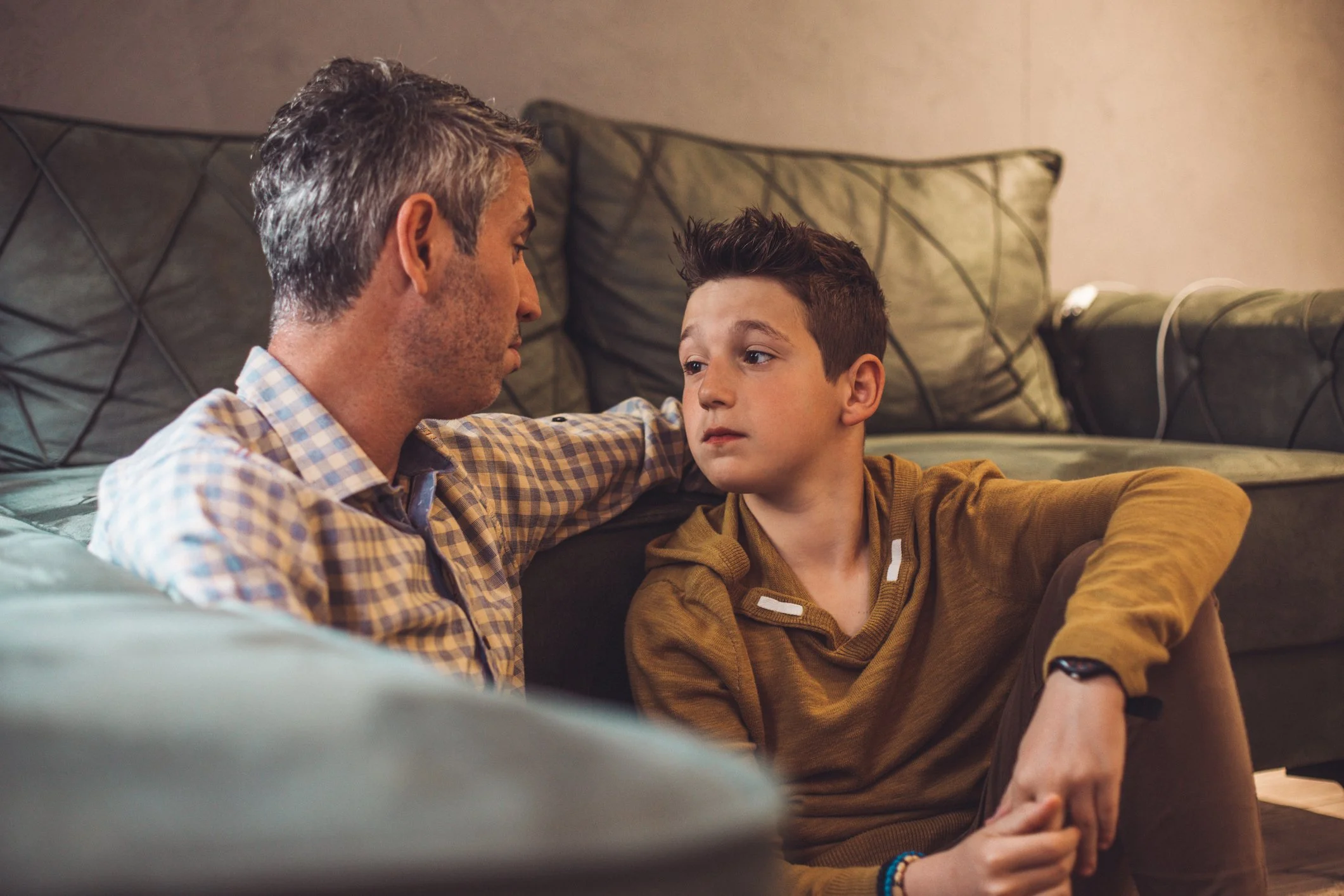
We all present with neurological differences. Every child developing in their own time. This is what makes us unique and diverse.
VERVE helps us to understand each child’s unique abilities and what we can do when, to support their independence and growth.
VERVE supports children of all ages that present with difficulties, differences and or delays in their interaction, communication, language, speech and learning development.
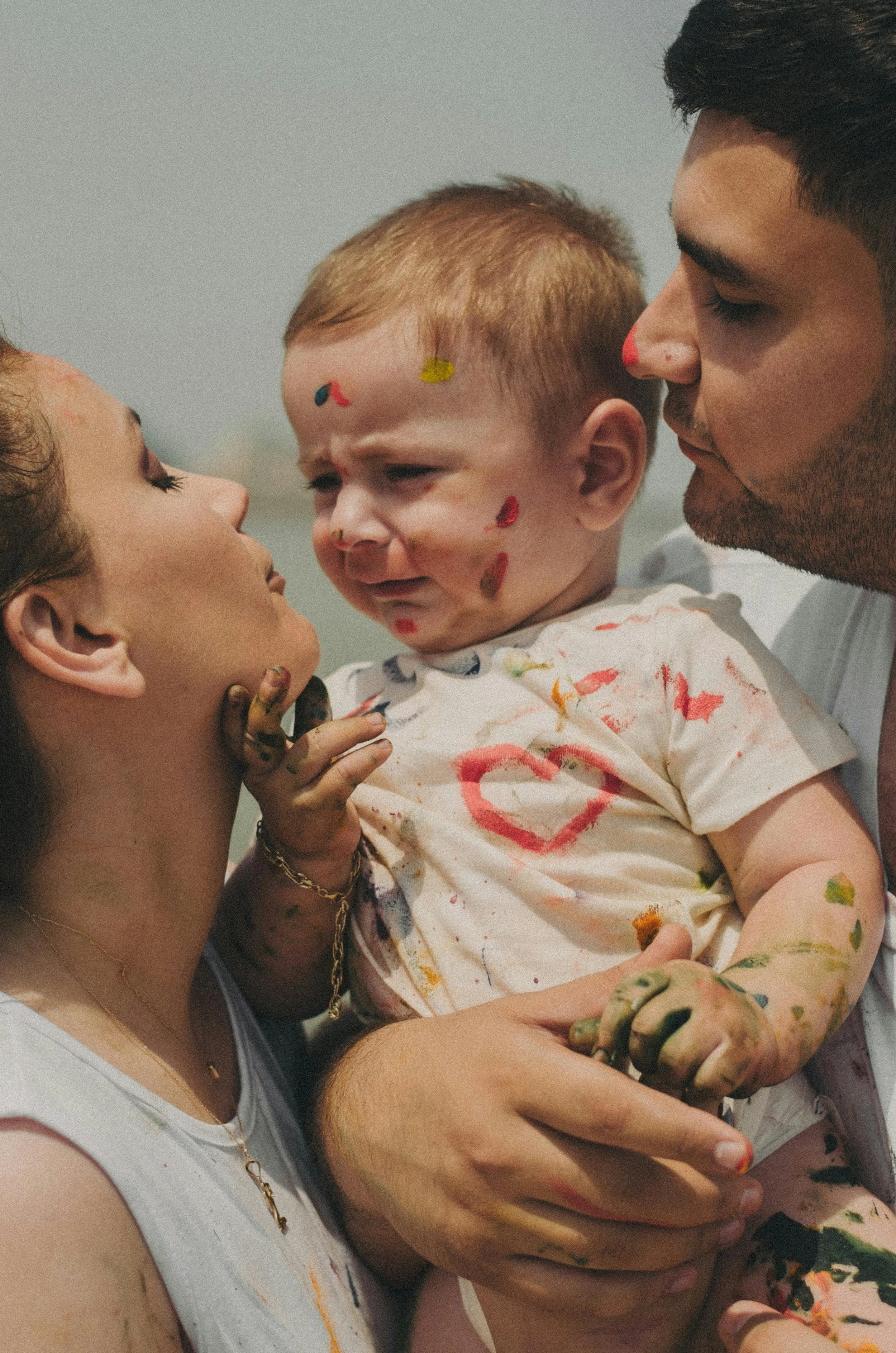
Children who come to VERVE may have experience of, or be described as presenting with:
Specific attention difficulties
Developmental language delay/difference
Developmental Speech delay/difference
Autism
ADHD
Childhood Apraxia of speech (CAS)
Stammering
Speaking at home, silent elsewhere
Voice difficulties
‘Challenging behaviour’
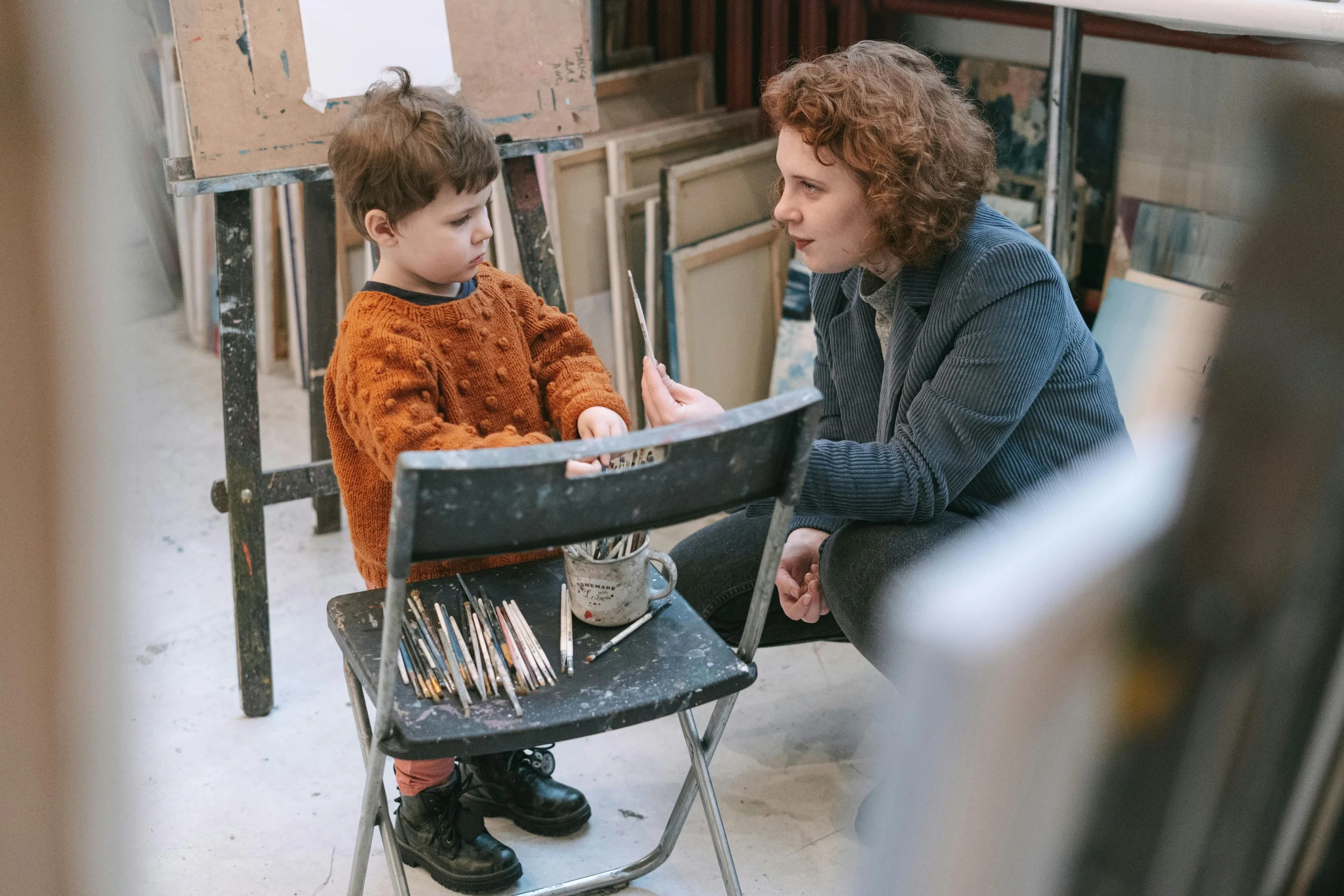
Families may notice that their child:
Finds it hard to stay with one toy or activity for long
Has difficulty listening or attending to what’s being said
Struggles to understand or respond to language
Has no words, few words, or fewer words than others their age
Seems “stuck” in developing new vocabulary or sentence length
Appears frustrated when trying to express themselves
Doesn’t seem to want to speak when anywhere outside of home.
Isn’t easily understood or becomes dysfluent when speaking
Shows less interest in interaction
Doesn’t seem interested in playing with other children.
Displays behaviour that feels more challenging than peers
VERVE provides a calm, supportive way to explore these patterns and understand how a child communicates and connects. Through shared observation and reflection, families learn how small changes in timing, attention, and response can help their child thrive.
your therapy journeyHow We Work With Families
VERVE aims to keep therapy accessible for as many families as possible. Sessions are offered both in-person and online.
Sessions typically last around one hour.
Frequency and duration depend on your child’s needs, in general starting with four sessions over a period of six weeks.
Keena believes that meaningful support should never be out of reach — please get in touch to discuss what works best for your family.
-
Get in touch and let us know exactly what it is that you are concerned about
Feel free to phone and ask us whatever you would like to know about. For example : the way we work, the reasoning and theory behind what we do, why and how it optimally supports your child and you; what to expect from the sessions; and any other questions you wish to ask in order to feel confident that it is us that your child and you would most like to be working with.
We will then arrange a first session to suit you.
-
First Meeting : Assessment
The playroom will have been arranged so that your child can settle to do whatever they wish to, with a selection of toys e.g. duplo bricks, home corner, playmobil, lego. As soon as you are comfortable, the therapist will pop the camera on (part of their computer) and leave the room , so that your child is just with you and not being ‘watched’ by this new person. You don’t need to get them to ‘do anything’. We want them to be enjoying themselves and doing what they naturally do.
Please don’t be concerned if in the session they don’t wish to engage with the toys, or they race around the room, tugging on you, slamming doors, mouthing/throwing things, shouting, crying etc. These are all forms of communication and patterns of behaviour that accompany delayed communication development and are useful for the therapist to see.After several minutes the therapist will return, switch the camera off, check that you feel what has been caught on film is representative and invite you to tell them your child’s history and why you are here. If you have given this information many times before, please do forward on any summary reports you already have, so that we don’t ask you all the same questions.
All the time we are talking your child will be playing and interacting with us, which in addition to the video is providing an enormous amount of information about their skills.
In general the therapist will not share your video back with you on this first meeting. The session will end with the therapist having given you a brief general verbal summary of their observations of your child’s development, tying it in with everything you have told them.
After the session has finished, and in preparation for the therapy sessions, the therapist will analyse the video in detail in relation to your child’s communication skills. They will be analysing their regulation (attention, listening, ‘concentration’) , communicative intent (the way they use their language to interact e.g engage, respond, reject etc) Play, understand, express themselves (for example - use their voice, gesture, words, sentences, speech sounds, fluency).
-
The ‘Therapy’ Process
The room will have been set up to have what your child was most interested in last time. The therapist will leave you alone for your child to get comfy and then they will return. They will then summarise their observations of your child’s communication skills from their interactions in the last session, analysis of the video, and the information you have given re: their ‘history’.
They will then share the video, to show you what you didn’t know you intuitively do that supports each area of your child’s learning and communication, and then suggest exaggerating elements of your timing to focus on the areas your child is finding more challenging in their interactions.
The therapist will then ask you to play with your child again (turning on the video and leaving the room), experimenting with this suggestion.
They will then return to the room and play the new video back , using the video to look together at the impact of what you have been trying out.
The therapist will then ask you to experiment with this over the next week (five minutes quiet times daily), seeing you a week later to discuss (and watch on video) the developments you have seen during the week. The therapist will be using freeze frame to show what your child’s emerging skills are showing evidence of.
In general there are likely to be four sessions to begin with. The first two with one week between, then possibly two/three weeks before Session 3, and three/four weeks before Session 4. The space between each session won’t be known until Session 2.
Six weeks after Session 4, the therapist will arrange a ‘review session’. A new video will be taken at the start, and then shared back using freeze frame.
If future sessions (touchstone) are recommended they are likely to be offered and scheduled specific to each individual child (often once a month/every two months).
In addition:
Communication/Contact: The therapist will ensure, with your consent, that they are in contact with any Practitioners/Professionals that are working with you and your child.
Summary reports can be provided after the first course of therapy and or later as requested: The report includes a description of your child’s communication skills at assessment, observations of their emerging skills during therapy, progress over time and a summary of their current skills.
Nursery/School visit: Where appropriate, and with your consent, the therapist will be in contact with Nursery/school, to arrange a meeting with you present and offer VERVE reflection therapy to your child’s key workers and teaching staff should you wish them to do so.
-
If we are working together over Zoom we will arrange an introductory session on line.
Before we meet we will ask you to take a short video of yourselves with your child doing whatever they enjoy doing and to send that video on WhatsApp or WeTransfer (both encrypted and free to use). Once received, it will be downloaded, deleted from the phone, and stored securely.
We will then meet on zoom and carry out steps one, two and three on line.
testimonials
resourcesHelpful Resources for Families
Simple, natural skills that support your child’s language and learning.

Frequently Asked Questions
-
Face watching is the skill of looking at someone to check for safety, interest and connection. We face watch to see whether someone is inviting interaction — for example, through a smile, nod or attentive expression.
Mutual face watching happens when two people are engaged together, each responding to the other’s signals. It forms the foundation of dialogue and shared meaning.
Looking away is equally important. It allows us to pause, think, regulate and shift attention. All of us vary in how much we use face watching, and we use it on our own terms.
If someone is not face-watching they are showing that they do not wish to connect because they are not ready, are busy doing something else or are not feeling safe.
-
There are many reasons a child may not appear to use face watching consistently.
Looking away can be an important adaptive state. When children are not looking, they may be focusing on internal regulation, sensory input, their own thoughts or actions. For some children, especially those who have experienced medical, developmental or regulatory challenges, their systems may need extra time to organise themselves. When not looking at us, they want quiet.
Historically, we have been advised to “talk all the time.” This can unintentionally overwhelm children, who need quieter spaces to regulate and process.
In VERVE, we exaggerate the opportunity for face watching and respect the need for silence. Over time, children begin to feel their impact — learning that they can start and stop interactions safely, confidently and when they are ready.
-
In the early stages of VERVE, we intentionally keep what we say to a minimum so that your child feels the ‘power’ of their face. switching us (the other person) off as well as on.
When your child face watches, they are inviting interaction. By responding with a smile, one word and/or a simple gesture, we allow them to remain in control of the exchange. They begin to feel that their signal starts the interaction and that the adult will not “take over.”
As the weeks progress they become more and more confident in organising and managing when what we wish to say. Our words and actions synchronise specifically with their intentions, building on their word and gesture store. They increasingly use their voice and body whilst watching to see what we have to say, naturally increasingly drawing more from us. They will signal when they want more and when they don’t (by looking away).
Having tuned in to voice in quiet times, you will notice that they also seem to be ‘tuning’ in to our voices more outside of those quiet times.
By us waiting before we speak for our faces to connect so they show us what to say, when to say it and how much to say, with us adapting sometimes using single words, sometimes using familiar phrases and sometimes adding more.
By us consistently tuning in to when they are ready for us to speak, they pull what they need in the way that they need it.
Ready to begin?
Take the first step toward deeper connection and communication.