
VERVE Resources
The VERVE Resource brings together ideas, guides, and reflections that help families and professionals apply the VERVE philosophy in everyday life.
Whether you’re a parent supporting your child at home, or a professional deepening reflective practice, these resources are designed to help you see, listen, and connect.


Theoretical foundationsThe Principles of VERVE
The VERVE principles explore how interactions shape learning and development—from the very first glances a child shares, through their play, and in the rhythm of the silences.
Each principle offers a way to observe, understand, and respond to children in the moment, whether you’re a parent, therapist, or educator.




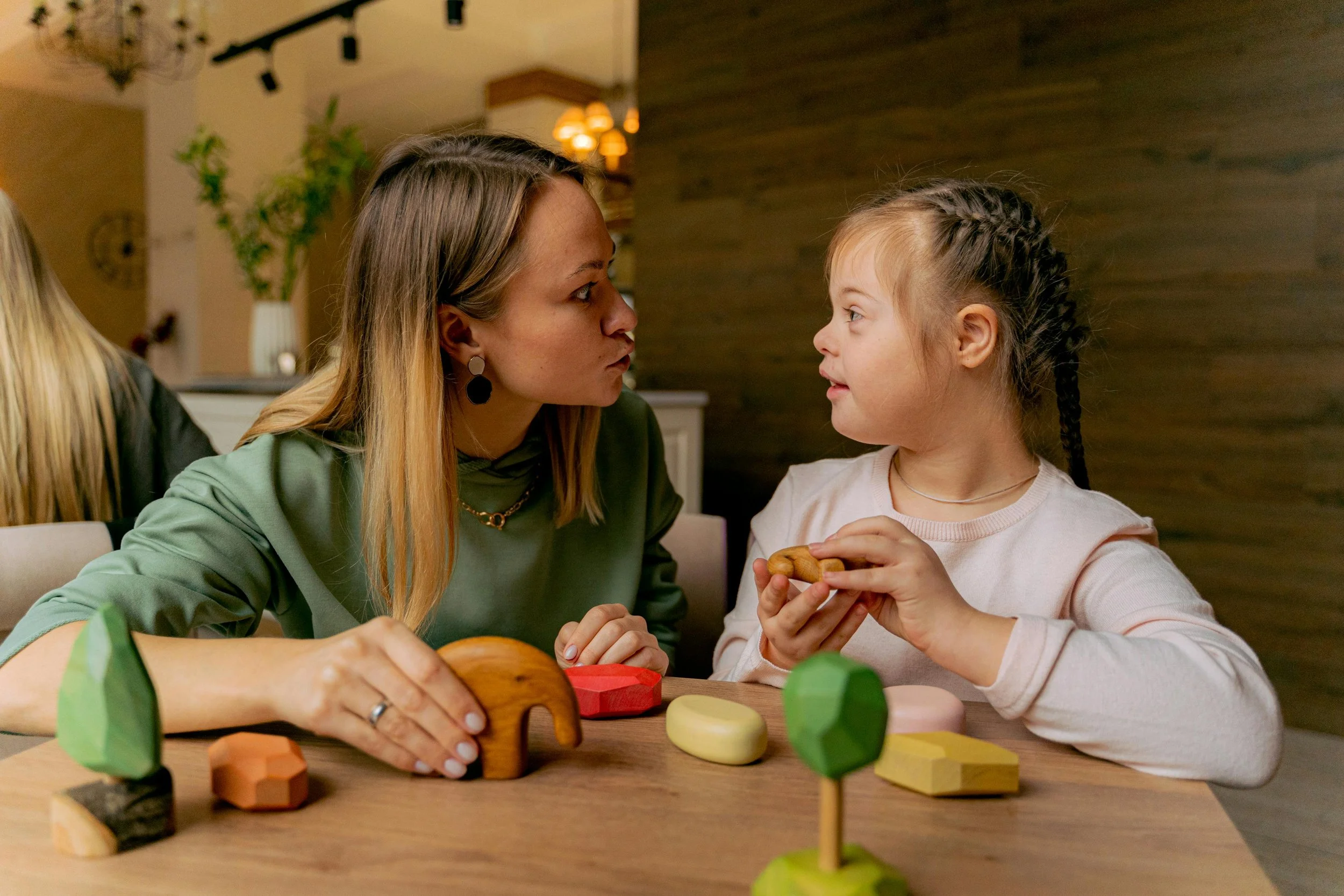
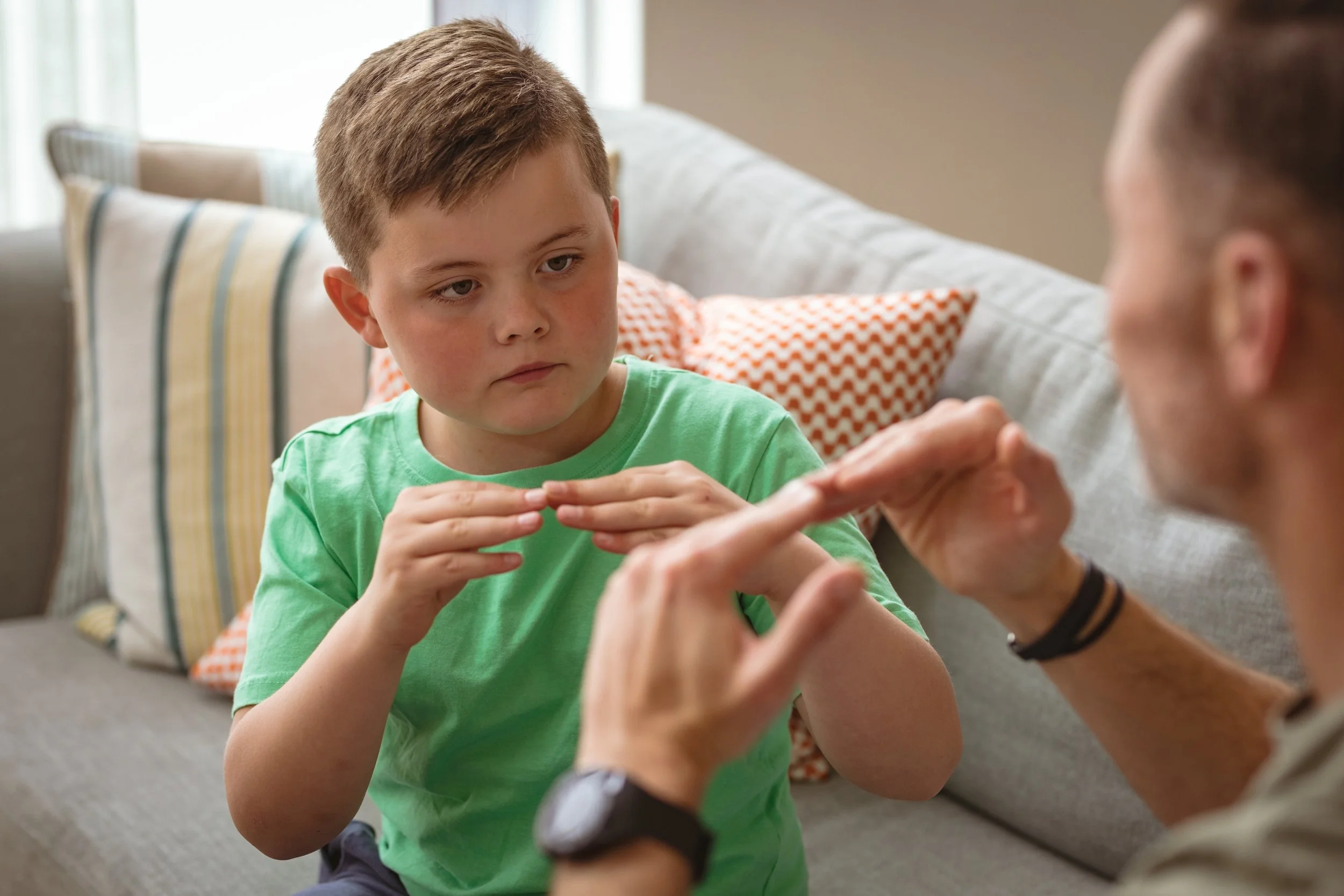
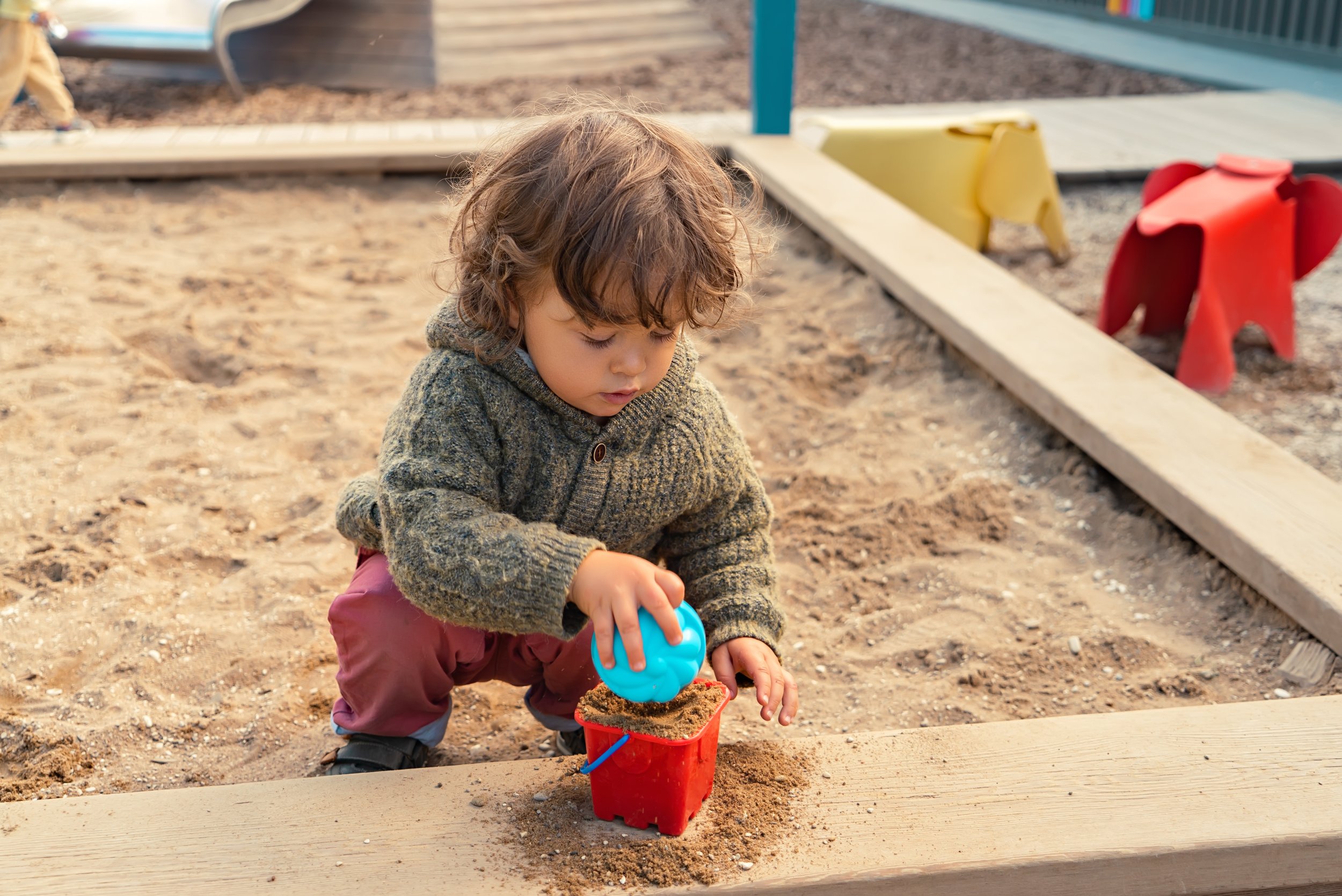
for familiesWhat to do and when to support your child’s language and learning.
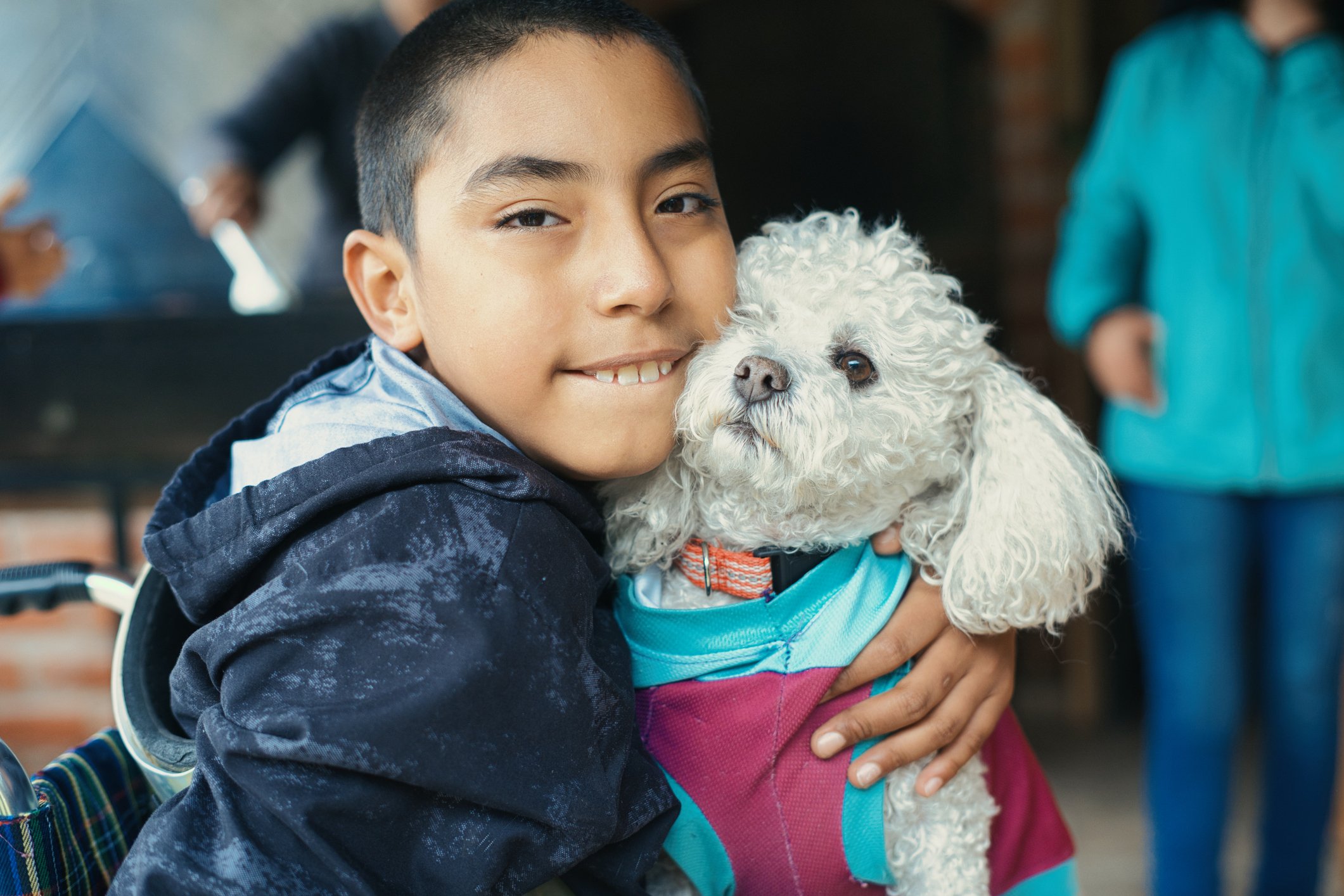


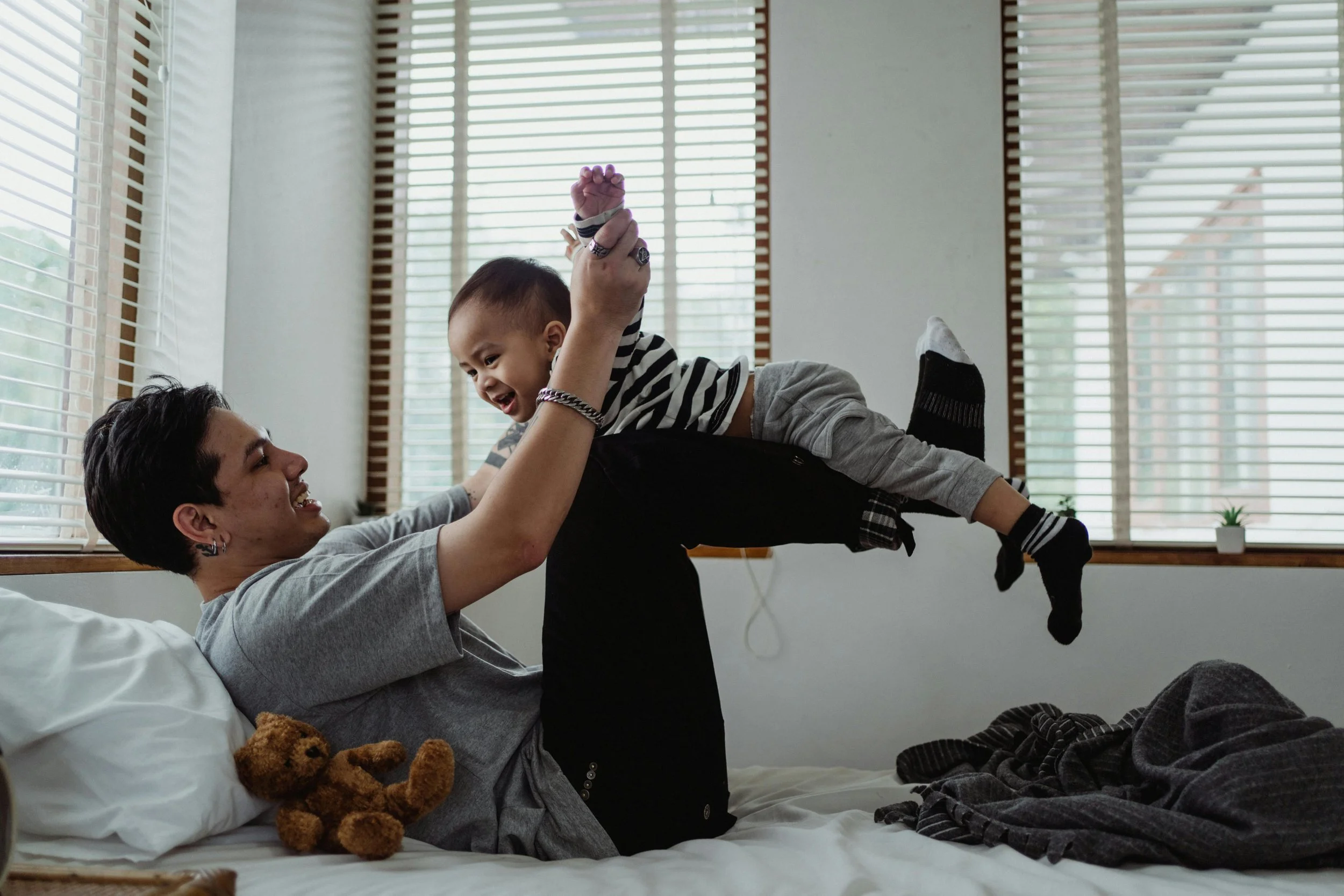

for professionalsResources to support reflective practice, training, and professional growth.
All VERVE Resources
VERVE - Why Video?
Working through the skills of parents supported by video has transformed what we now know about the development of well-being, behaviour, language, speech, communication and learning.
Safe space, safe face, playing for words
Learning through play, exploration, and shared experiences.
The value of silence and managing the hubbub.
Quiet moments create space for children to process and respond.
Body Watching, Mirroring mischief, and boundaries.
Movement and energy reveal what’s going on inside.
Face Watching for Feedback, repair and more information.
Connection begins when we notice and respond to a child’s gaze.
Words and Sentences, Fluency, gestures and Signs
Communication grows through every sound, sign, and shared signal.
Top tips on which of your natural skills to use and when
Simple, play-based tips to support your child’s language development by following their lead, modelling words, and embracing quiet moments.
The Power of Play and Everyday experiences
Watching play helps the adult to know what words and sentences the child is ready for.
Regulation and co-regulation - a synergy that supports development throughout life.
An exploration of co-regulation and physiological safety, showing how calm adult presence helps children regulate, connect and learn in a busy world.
Why proximity and stopping talking when they look away.
Silence, face watching and attentive proximity create the safety children need to regulate, organise their thoughts and initiate communication in their own time.
Why are we only repeating/using one word ?
We use one-word responses during face-to-face interaction not to teach vocabulary alone, but to support the foundational skills that language development is built on.
Building up over time. Tuning into and managing other peoples ideas/voices
VERVE is about timing, having fun and developing and shifting habits.
VERVEing in Schools: The 'Reflective Practitioner'
VERVE child interaction is a unique approach that focuses on using every interaction opportunity to develop each child's learning self identity, communication and mental health.
Neuroaffirmation
Rooted in the neurodiversity paradigm, VERVE is a neuroaffirmative approach that tunes into each child’s individuality, valuing their unique ways of regulating, communicating and engaging with the world.
Questioning in the Classroom
Rethinking questioning in the classroom shifts the focus from testing knowledge to supporting children’s thinking, communication, and engagement through more responsive, interaction-based approaches.