
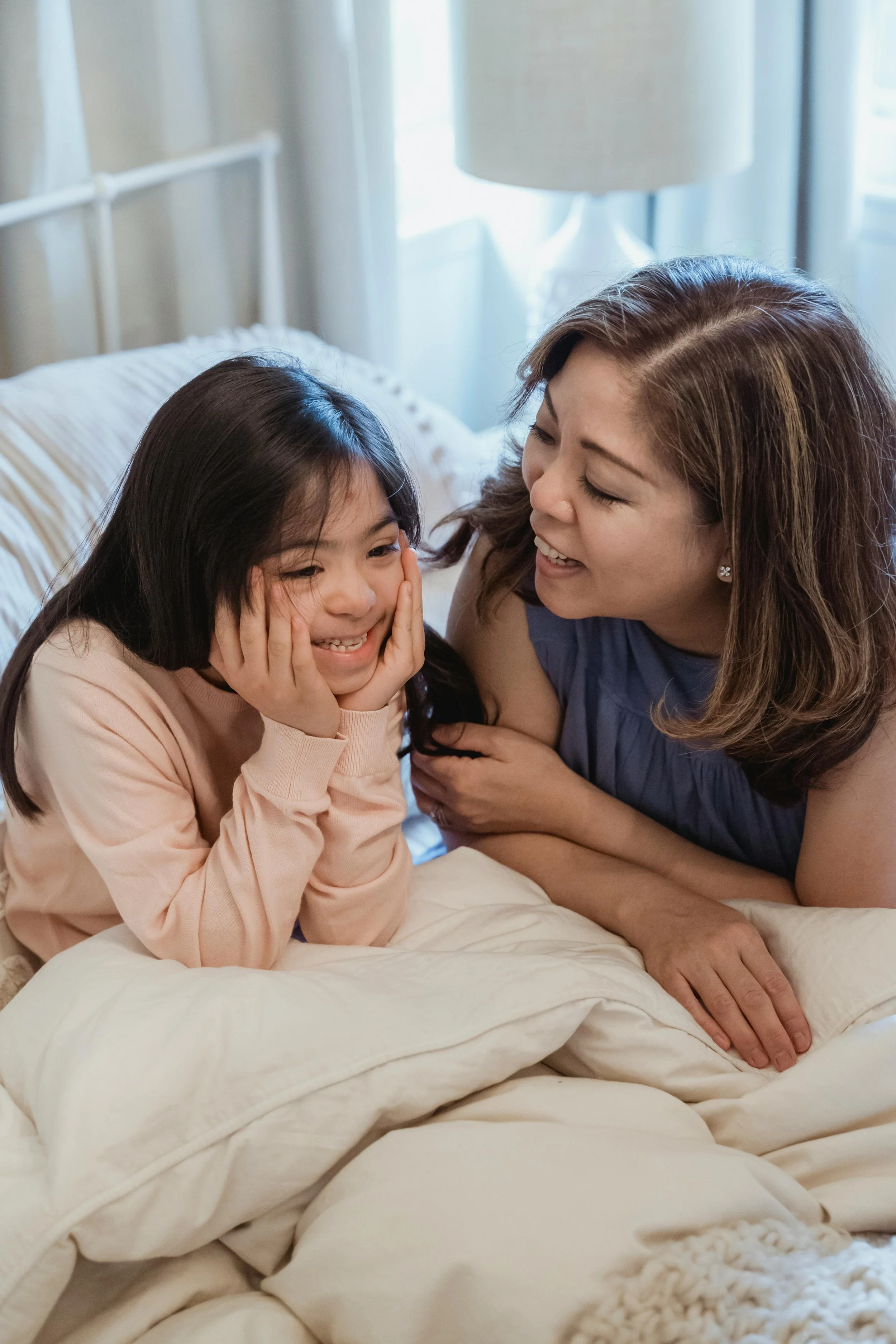
The VERVE Philosophy
An evidence-inspired approach to well-being, connection, communication, and growth.

VIDEO
•
EMPATHY
•
RECIPROCITY
•
VALIDATION
•
ENGAGEMENT
•
VIDEO • EMPATHY • RECIPROCITY • VALIDATION • ENGAGEMENT •
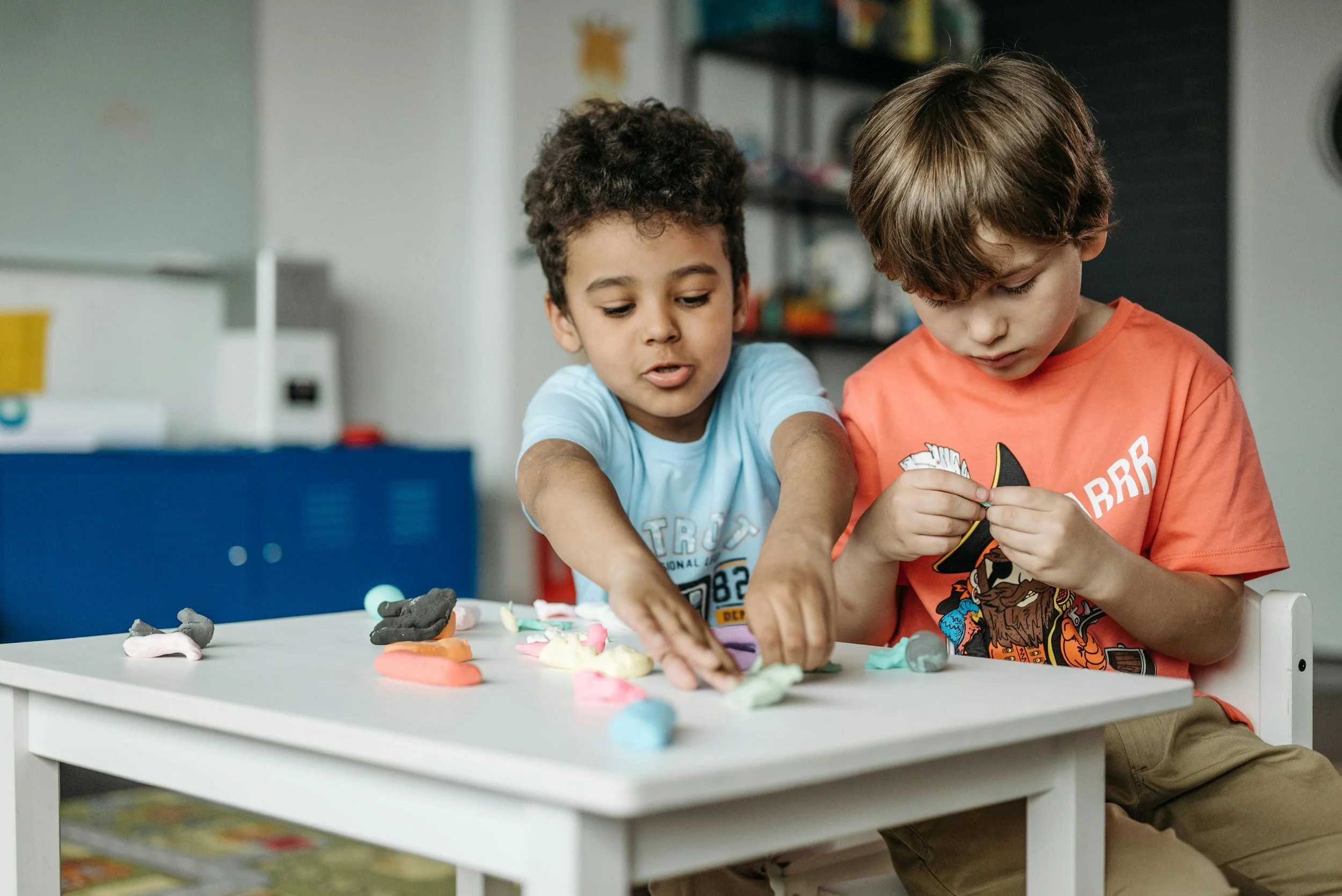
Understanding VERVE
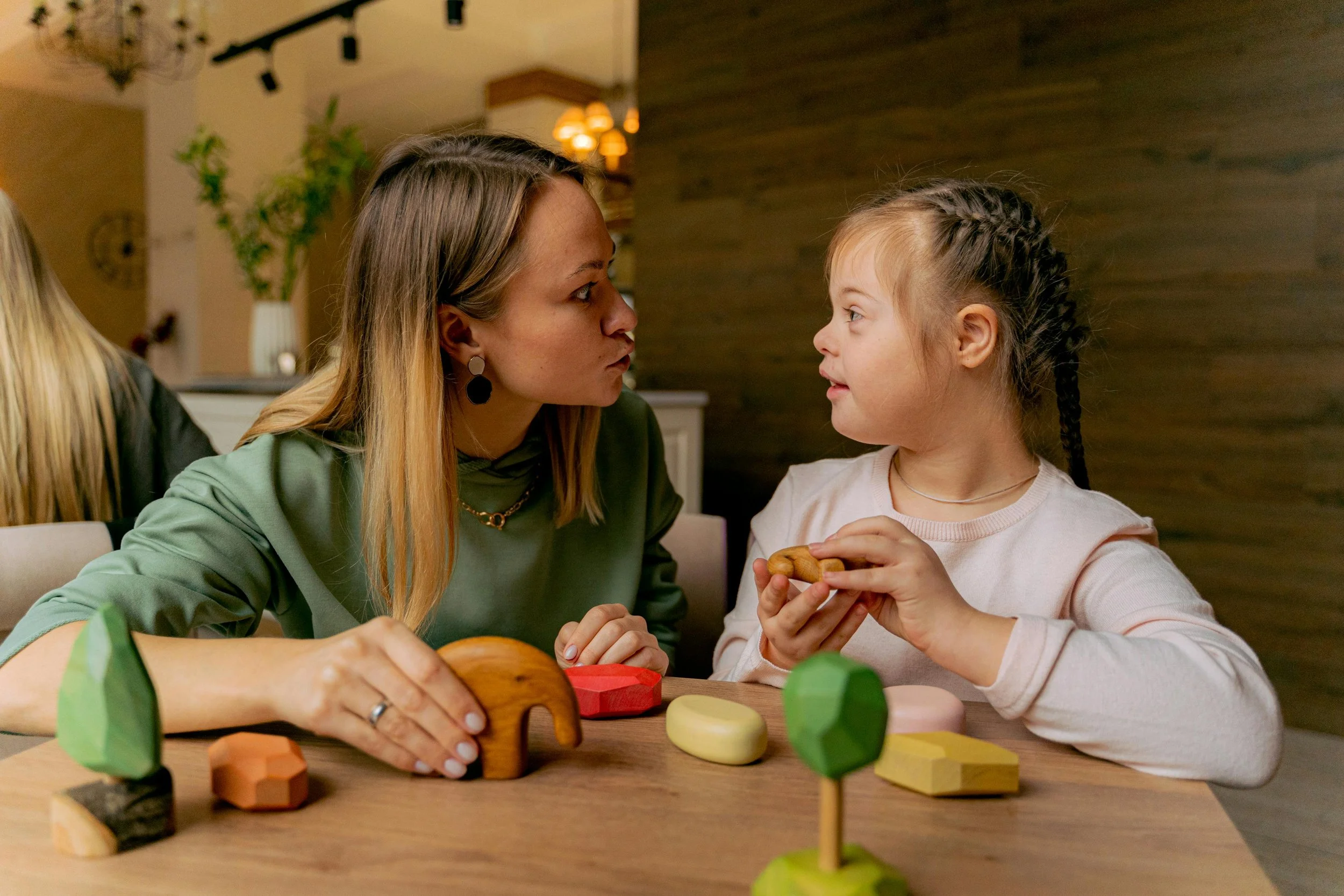
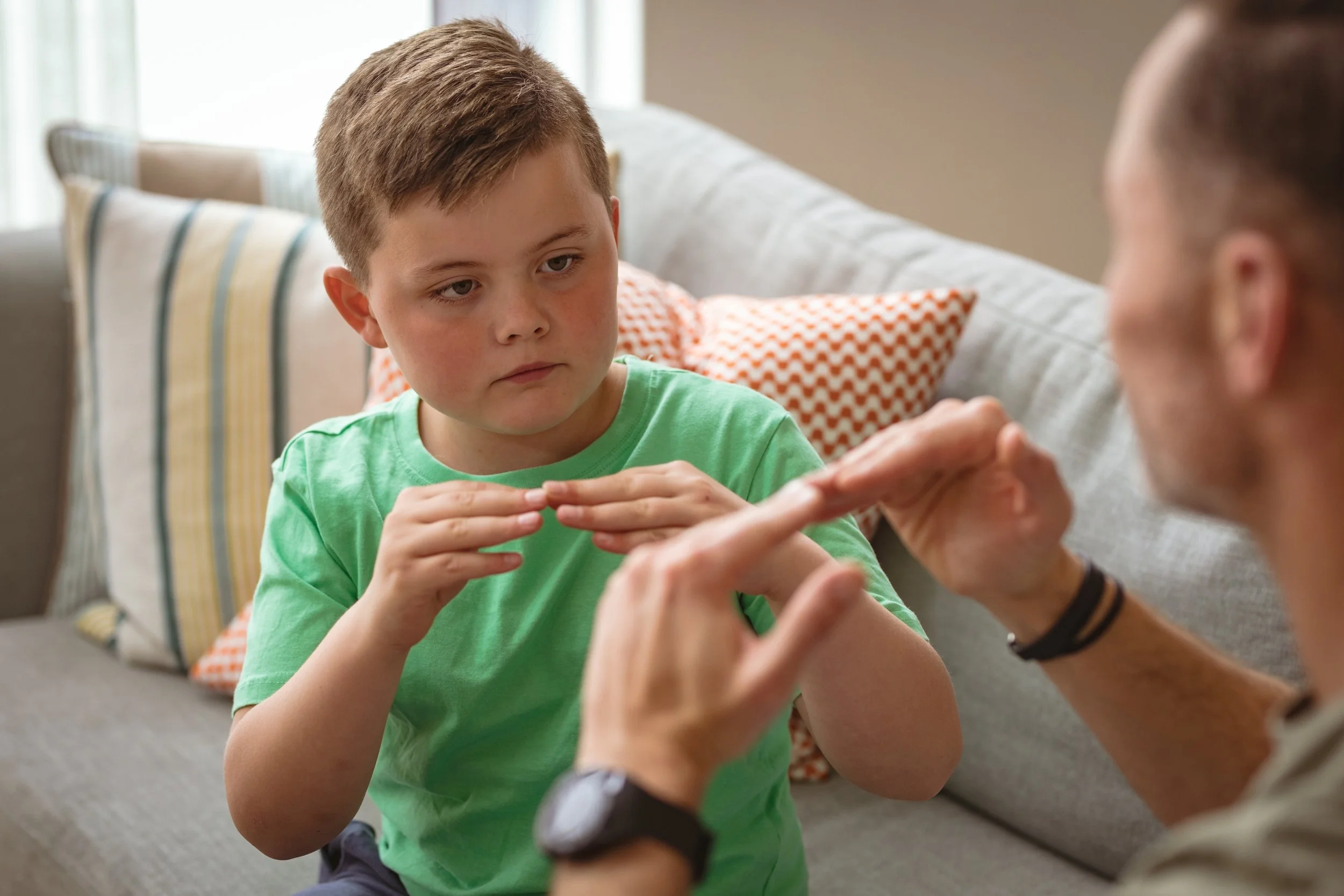
VERVE is an approach to child development rooted in interaction, not intervention. From the very start, children grow through the relationships around them. By using video to capture each child's actions and interactions, we can observe in detail what they do, as well as the natural steps we take to support them in fostering independence through and in their learning and communication.
Every session is built on noticing subtle signals: a request for quiet, time to think and organise, a glance, an invitation and signal for the adult or another person to speak. We learn how each adult is already supporting the individual child’s communication, shaping their natural abilities into consistent habits ensuring they feel seen, heard, understood and confident.
Over time, with predictable patterns of space and responsiveness children become increasingly able to regulate themselves, initiate and close interactions, repair communication breakdown, develop their language/s and speech skills and engage in conversations with whoever they wish to.
Our Mission & Values
-

Accessibility
Ensuring VERVE remains affordable and inclusive to families everywhere.
-

Community
Building a network of shared learning and reflection across families and professionals.
-

Respect
Honouring each child’s unique skills, pace, readiness, and individuality.
-

steady growth
Working over time with predictable interaction helping habits form and confidence grow.
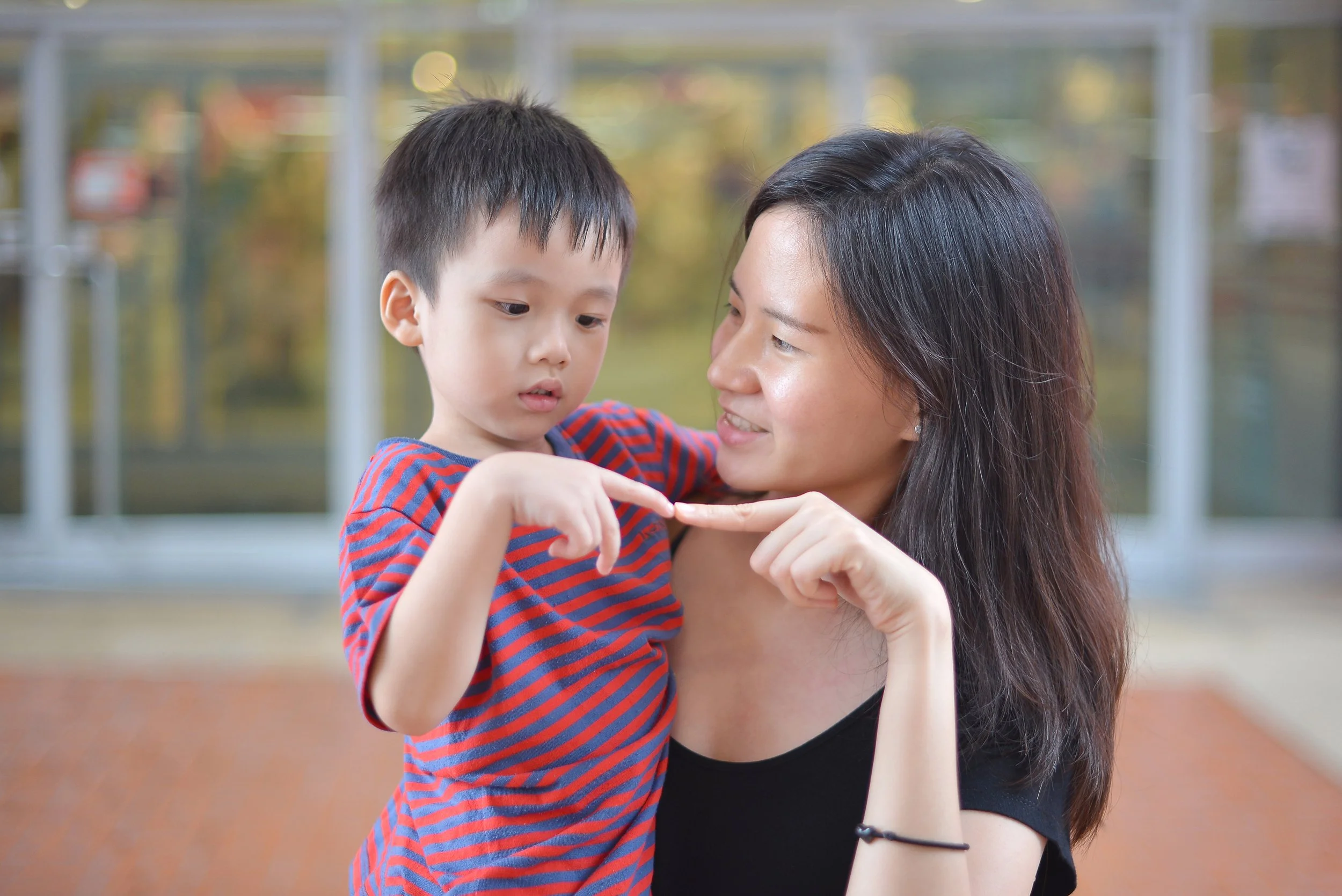
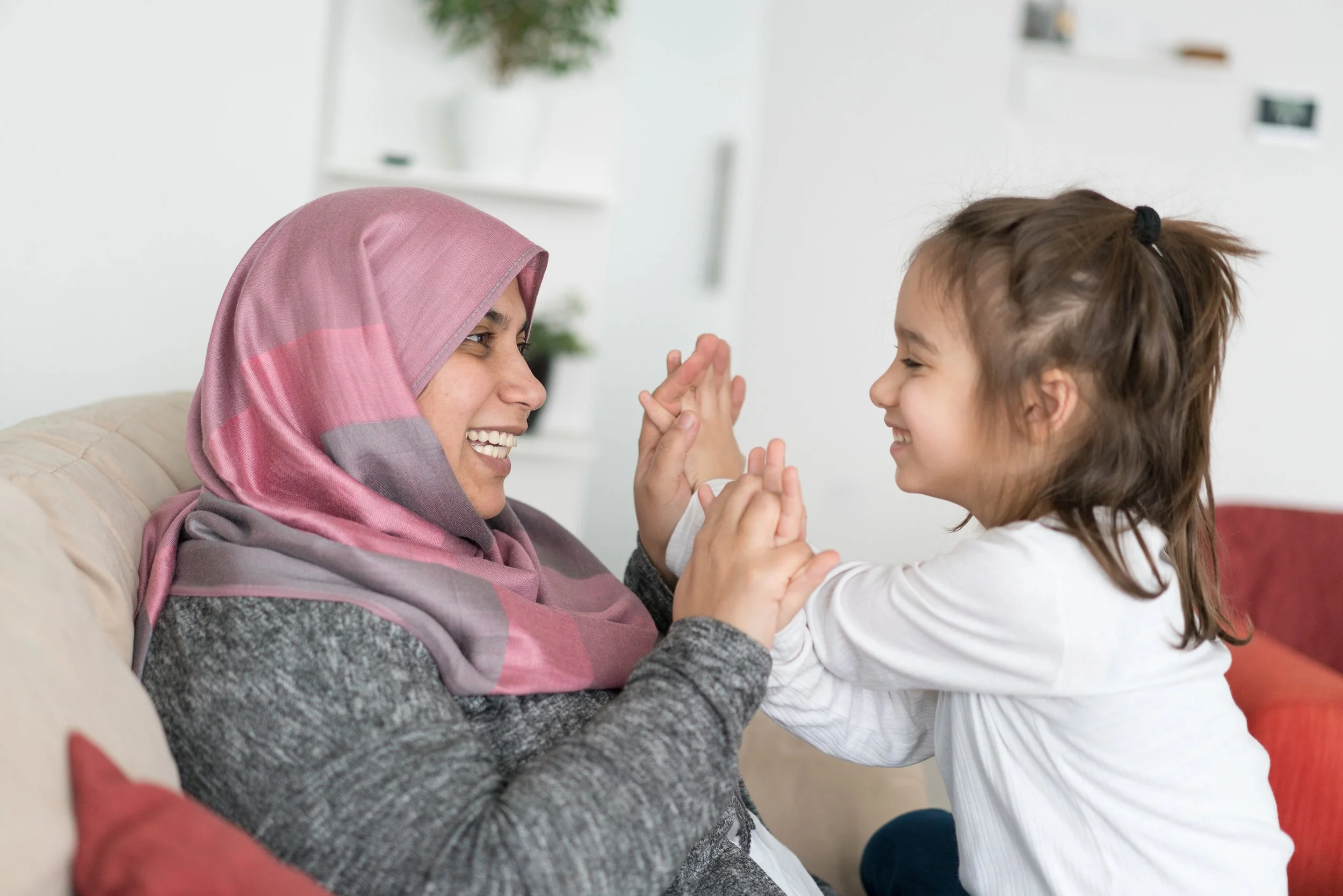
six guiding practicesThe Principles of VERVE
Harnessing the transformative everyday moments into meaningful growth.



about the founderMeet Keena Cummins
Keena Cummins is a speech and language therapist and the developer of VERVE Child Interaction. Over decades of work with children, families, and therapists, she refined a practice that places video observation and shared interaction at its heart.
Her journey began in traditional therapy, but she saw the power of video to reveal hidden interaction habits, and how small changes in adult responsiveness can shift a child’s developmental path. Today, she delivers training, supervision, and support for professionals and families internationally — while continually evolving the VERVE approach.
-
History
The Journey of VERVE:
Learn more about the foundations of our methodology in our book Why Mutual Face Watching Matters.
-
1980s
Professions have been developing their skills and providing therapy through their observation alone. Video becomes available. but it is expensive, researchers (e.g. Bowlby, Ainsworth and Stern) are starting to analyse natural parent- child interaction frame by frame.
1990s - ‘the decade of the brain’. Technology explodes and becomes affordable within therapy. It is now possible to analyse what is going on inside us as well as to observe what is going on in our interactions/between us
Early video interaction work - Initial research in therapy settings exploring parent-child communication patterns (Kelman and Schneider )
-
2000s
Refining interaction practices
Developing core principles of VERVE methodology. It becomes increasingly clear through video evidence that stopping talking when requested by a child is key in supporting each child’s co-ordination of emotions, senses, thoughts, actions and interactions.
VERVEing with Parents and VERVEing with practitioners in early years, primary schools and secondary schools deepens our understanding of it’s reach.
-
2010
Principles formalisation
The seminal work of Schore, Siegel and Porges provide theoretical clarity for each VERVE principle.
Verve network of supervision is established to ensure support and reflection opportunities for all those who are sharing their practices with families.
-
2020s
International network expansion
Software platforms mean that VERVEists - parents and practitioners - are able to meet regularly either in person or on line, locally, nationally and internationally, sharing videos (always only with written consent ) and learning from one another when ever they wish.
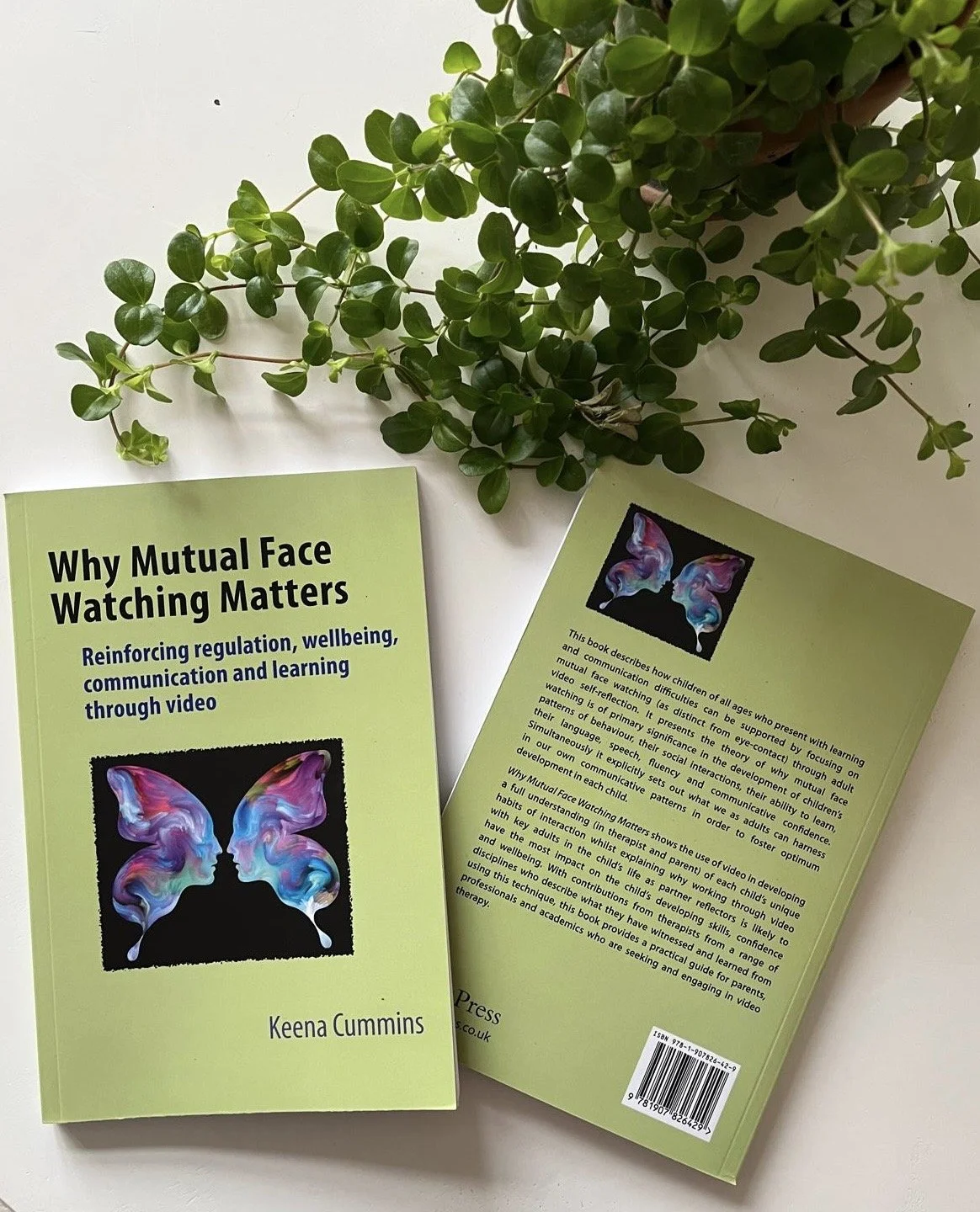
read the bookWhy Mutual Face
Watching Matters
Written by Keena Cummins, this book reveals how mutual face watching helps children grow in confidence, communication, and emotional regulation.
A practical guide for parents and professionals working to build connection through observation and reflection.
Ready to explore further?
Discover how VERVE supports families and professionals.