Face Watching for Feedback, repair and more information.
For English or French subtitles, click the ⚙️ settings icon and select captions.
Face watching for Feedback
As each child’s regulation skills develop so they will be able to explore for longer, looking at things in their hands, wondering what happens if they press something, feeling the different sensory sensations from different objects, pretending something is something else, climbing up on things in the play park etc. Whilst they are doing this, they won't look, because they are concentrating.
Then when they wish us to comment they will face watch
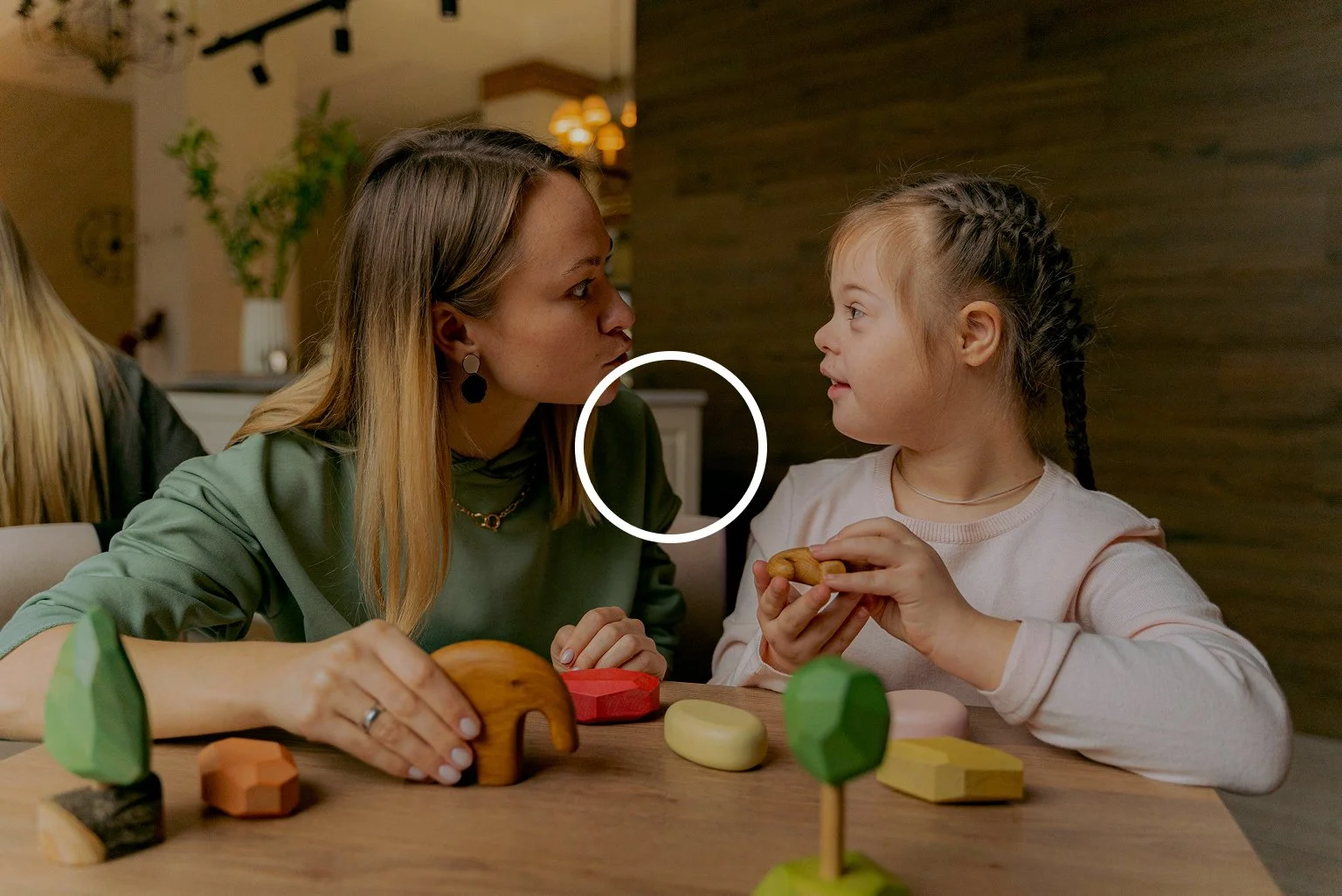
That's when we light up and smile, nod and say a word/gesture
In having silence they have had the chance to organise their thoughts and actions (probably like a video in their head). They will then invite us (with their eyes) to give them a word for what they are thinking
By us giving a word at that moment, they can then see exactly how to say the word whilst hearing the specific sounds that go with that lip shape. This helps them to see and hear the tiny difference between words e.g. 'thin' and 'pin'. As they hear the words they see our faces light up, getting reassurance, and feedback.
If they are making sounds but they don't sound anything like real words - that doesn't matter, they are doing what they need to do, which is use sound.
We then shape the sound they have just thrown out to us by nodding and saying what we know they are trying to say - back (recasting).
With every try they make (and recast they are given) they will gradually get closer and closer to the adult word because they are getting clear support and feedback at the moment they need it. It doesn't matter that it is not clear- we know what they are trying to say.
Whilst face -watching they are tuning in to the specific bits relevant to them as an individual - reading our feelings, emotions and getting reassurance that trying is just what we want. With every sound they make they are exercising their talking muscles (their lungs, their vocal folds, their tongue, lips and teeth) and every time they do it, like any muscle, their voice and sound system gets stronger and stronger, more co-ordianted and more precise. Each trial gets closer and closer to the word.
Through face watching they are also getting feedback on the melody and number of beats in each word. They are also feeling what each sound/word feels like in their mouth, their muscles and bones feeding back to their brain just how to do it next time.
Repair:
Whatever language we are speaking when we speak to each other what we say is rarely tidy. We often make mistakes, we muddle our words, stop mid sentence, change tack, take re-runs, take time to find the words. We often use single words, rather than sentences and often say something the first time that when we hear it out loud we know doesn’t really make that much sense to someone else.
With that other person we build the ‘sense’ of what we are chatting about. We say something - we watch the listener, they nod and we then say something else. If we say something and they don’t nod, but look blank, we know that we have not been understood, so we say it again, or another way, and or demonstrate/support ourselves by picking something up to show what we mean. They then smile, nod and repeat or add what they wish to and we carry on building our interaction together.
Having carried out quiet times daily, where we respond with a word when invited by the child’s face watch (and often their vocalisation), you will notice that if we say the wrong word, they will show us that it’s not right. They will repair the breakdown. They face watch, hold up a toy animal and say ‘ah’ we repeat ‘dog’ , they will shake their head and face watch holding it up again ‘ah’ we will then try something else ‘cat’. They have ‘repaired’ our error and will then move on.
Often you will actually hear their repair sounding closer to the word they are trying to say e.g. they face watch , hold up a toy animal, say ‘ah’ and we say ‘dog’, they shake their head, hold up the toy animal and go ‘at’ which helps us out ‘cat’.
It is not ‘sad’ when we don’t understand, it’s human nature. By us showing we are listening and trying and letting them sort it out for us they feel confident in the interaction, a helper that’s helping mum or dad.
Continued Reading: