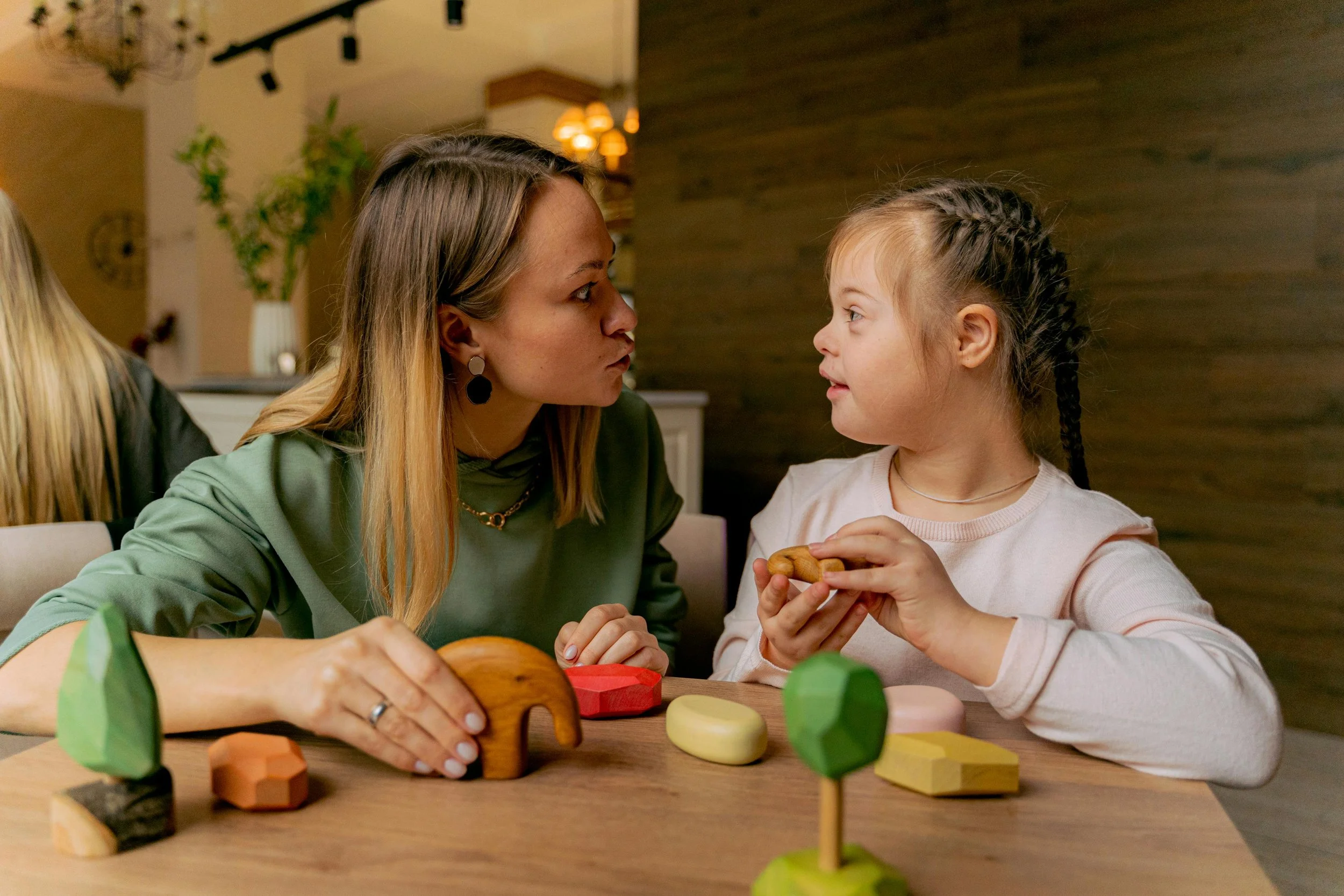
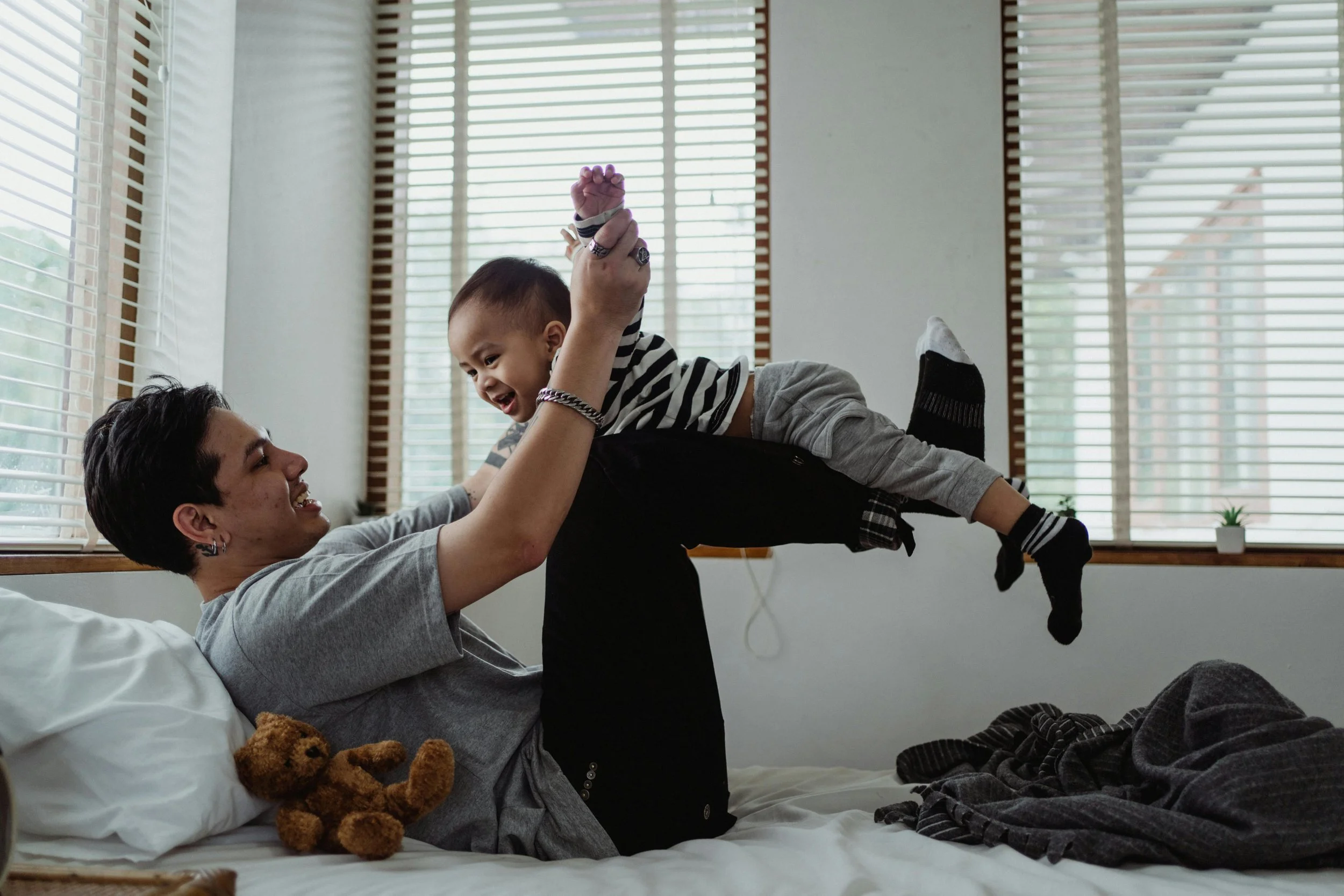
Why are we only repeating/using one word ?
The reason we are using ‘one word’ to respond when our child face watches is because our focus at this time is not on ‘linguistics’ and words alone. It is on supporting each child’s underpinning framework upon which linguistic structures and language develop. We are using quiet times to learn specifically about the individual child and their signals, use of communication.
VERVE starts with the focus being on providing each child with the opportunity to balance and organise all their developing skills. The quiet space is providing them with time to be calm and to tune in to ‘feel’ and experience their own emotions and actions without any one else ‘driving’ what they are doing. The quiet times are a space for them to feel their success and confidence in feeling, acting, thinking and co-ordinating themselves and us.
In the quiet times each child organises themselves and explores what they wish to explore, with us in the safe space, affirming through listening and enjoying their actions, letting them use their actions and voice(self talk)without our interference.
When they face watch, we smile and say a word to affirm that we understand and are listening. By us being completely consistent in our five minute quiet times (which will feel a long time in practice) the child is able to feel their ‘agency’ and strength of role in the interaction. They are leading and showing us and we are responding not taking over/dominating. By respecting their clear signal for us to be quiet, they become confident that they can manage our interactions.
With VERVE we are supporting organisation and layering of skills. We start with giving the child quiet in which to organise their abilities, to feel for themselves what being calm and experimenting and exploring without interference feels like, whilst also showing that they can stop other peoples sound by not looking at them. When they want an opinion or another persons voice they invite it.
Using single words is not because we believe that certain children learn in a singular way such as ‘analytic’ or ‘gestalt’ but because we are giving each child the time to manage what is said to them and when. By waiting, watching and listening we learn from each individual child how they are organising their interaction, and when to offer what specific to their individual skills.
We are then matching what we offer with what they request.
The quiet times help us to feel and see just how much we say that is too much at the time. The quiet times help us to tune in and inhibit our ‘desire’ (or learnt pattern from other peoples advise) to offer only what is needed in the moment and to see when it is important for us not to speak.
These quiet times will start to bleed in to the rest of the day with us reading the signals and saying less specifically when invited, fitting our words and phrases with when each child is able and ready to tune in (face watching). With us stopping talking when they look away and responding to their request to engage (face watching) so our mutual face watching expands. Throughout the day we will naturally be using some single words in our utterances, some familiar phrases and some lengthier sentences. Reading when they are ready for us to deliver these utterances, helps us to know what to say and when.
Over the weeks, as each child becomes increasingly able to stop us talking when they are not engaged or inviting us, so they are likely to increase the length of time that they watch our face. They are not now just showing us when it is appropriate for us to speak but also if they would like us to say anything else. Often you will notice that they either add another word to us repeating/recasting of their word, providing us with more information, or they will hold our gaze and show that they are looking for us to share/say more. Over the weeks you will see their face watching gradually increasing in length and duration.
At first they may hardly face watch (as they concentrate and organise) momentarily looking up to check we are interested and listening. Looking away quickly to check that they can genuinely organise peace and switch our voices off.
Then with us consistently waiting for face watching before repeating/recasting a word/gesture to show we have understood they will start to face watch for longer to tune in to our facial expressions (emotions), actions and how we produce and shape the same words. They will manage the amount we say. Sometimes they will add, sometimes they will hold our gaze for us to add and at other times, they will look away to show termination of the interaction (turn-taking). To stop us running away with the conversation. If they gesture or speak and we don’t understand what they are saying because they are face watching and they know that we will always repeat if we understand, they will repair so that the conversation continues. In this way dialogue gradually builds up by us not adding anything else, they will probably add more i.e they will lengthen the sentence, but if they want us to they will stay quiet, keep face watching and we can add on our idea. At times they will do this and at other times, they will look away. By repeating and waiting, they will build more.
Since all language is emotional and specific to the individual and their experiences, we often witness children using phrases that at first may appear not to be connected to the current situation,
With video playback and through the knowledge of parents it is always possible to understand the connection, hear the logic and consequently respond and develop the dialogue.
When first starting VERVE, some children use their language in a repetitive, echolalia way ‘scripting’ something they have heard from their favourite programme. This use of language is a signal that they are overwhelmed and are regulating themselves through their own voice i.e needing to block out external sound and other peoples voices.
Quiet times block out other sounds and voices and allow each child to experience peace in proximity with their loved ones. As time goes on, each child replaces the echoing, scripting and standard phrases with self - talk, pauses and dialogue. The adult responding only when invited.
Similarly some children will use a familiar phrase e.g. ‘going to see the trains’ to signal another meaning i.e. ‘home time’. As quiet times progress so each child will increase their range of utterances whilst each parent is recasting their phrase with the specific vocabulary in front of them.
We go on to draw from the world in a linear way and and then exponential.
As partnerships we understand what the other person is saying and craft together.
Continued Reading: